Pakistan Cricket Board Chairman Mohsin Naqvi Faces Mounting Pressure After India Loss
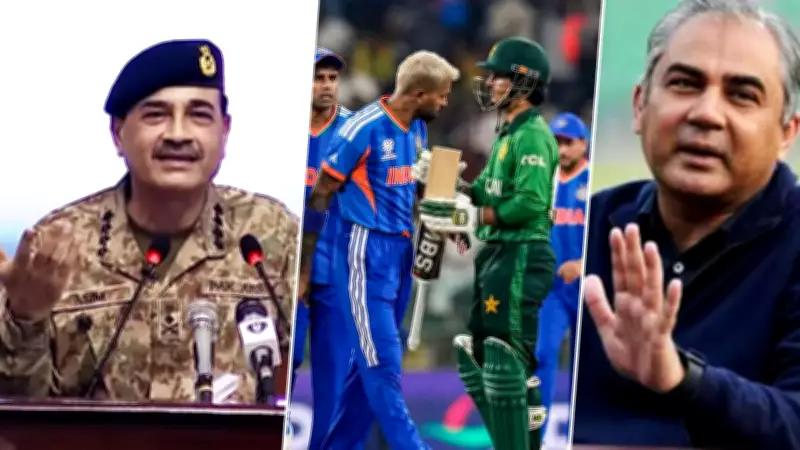
The Pakistan Cricket Board (PCB) is embroiled in a deepening crisis following the national team's heavy defeat to arch-rivals India. Chairman Mohsin Naqvi finds himself at the center of a power struggle, with reports indicating that Army chief General Asim Munir has expressed significant concerns to Prime Minister Shehbaz Sharif regarding the situation.
Boycott Threat and Subsequent U-Turn Intensify Scrutiny
This turmoil escalated from a boycott threat that spiraled into a full-blown institutional conflict. Naqvi reportedly referenced General Munir while defending Pakistan's stance before the high-profile match against India. The subsequent reversal on the boycott decision, likely driven by fears of potential sanctions from the International Cricket Council (ICC), coupled with the on-field loss, has placed Naqvi's leadership under intense scrutiny.
The political and military dimensions of this saga are unmistakable. In Pakistan, cricket administration has long been intertwined with broader power dynamics, and this episode reinforces that familiar pattern. The involvement of the military leadership, through General Munir's reported intervention, underscores how deeply the sport is entangled with the country's governance structures.

Uncertain Future for PCB Leadership
With the Army chief's concerns reportedly communicated to the Prime Minister, Naqvi's tenure at the helm of the PCB appears increasingly precarious. The sequence of events—from the pre-match posturing to the defeat and the ensuing political fallout—has created a perfect storm of criticism and internal pressure.
This crisis highlights the volatile nature of cricket administration in Pakistan, where performance on the field is often overshadowed by off-field machinations. The board's credibility and Naqvi's authority have been significantly undermined, raising questions about stability and decision-making processes within the organization.
The loss to India has acted as a catalyst, exposing underlying tensions and power struggles that extend far beyond the boundary rope. As the situation develops, the future of Pakistan's cricket leadership remains uncertain, with potential ramifications for the team's preparations and morale in upcoming competitions.