Omar Abdullah Condemns Pakistan's T20 World Cup Threat Withdrawal as Fear-Driven
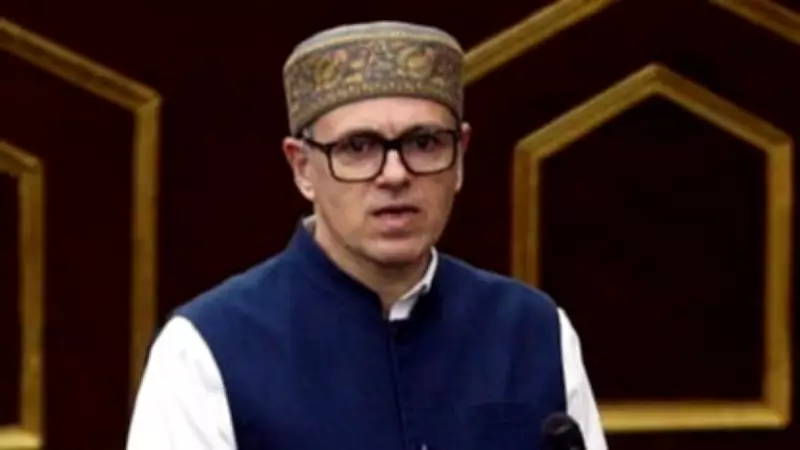
In a sharp critique, former Jammu and Kashmir Chief Minister Omar Abdullah has asserted that Pakistan's decision to withdraw its threat of not playing against India in the upcoming T20 World Cup was motivated by fear. Speaking on the matter, Abdullah emphasized that nations or entities lacking the resolve to follow through on their threats should refrain from issuing them in the first place.
Abdullah's Statement on Diplomatic Posturing in Sports
Abdullah's comments come amid ongoing tensions between India and Pakistan, which have often spilled over into the realm of international sports, particularly cricket. He highlighted that such threats, when made without genuine intent or capability, undermine diplomatic credibility and create unnecessary volatility. The former chief minister pointed out that Pakistan's backtracking reflects a pattern of inconsistent foreign policy stances, especially in high-profile events like the T20 World Cup, where cricket serves as a significant cultural and political touchstone.
Context of India-Pakistan Cricket Relations
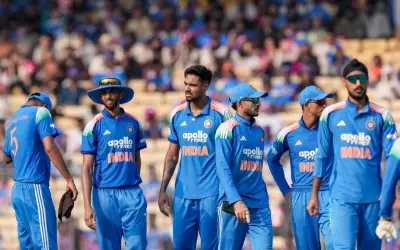
The T20 World Cup, scheduled for 2026, has been a focal point of discussions due to the historic rivalry between the Indian and Pakistani cricket teams. In recent years, political disputes have occasionally led to threats of boycotts or cancellations of matches. Abdullah's remarks underscore the broader implications of using sports as a tool for geopolitical maneuvering. He argued that such actions not only affect athletes and fans but also complicate bilateral relations, calling for more stable and principled approaches from both sides.

Abdullah further elaborated that Pakistan's initial threat to avoid playing India was likely an attempt to leverage the situation for political gains. However, the withdrawal suggests a realization of the potential repercussions, including international backlash and financial losses associated with missing out on a high-stakes match. This incident, according to Abdullah, serves as a cautionary tale against making hollow threats in international forums.
Reactions and Broader Implications
The statement has sparked discussions among political analysts and cricket enthusiasts alike. Many view Abdullah's comments as a reflection of the ongoing challenges in India-Pakistan relations, where sports often become entangled with diplomacy. The T20 World Cup, as a global event, amplifies these dynamics, making any threats or withdrawals highly visible and impactful.
In conclusion, Omar Abdullah's critique highlights the need for consistency and strength in international engagements. By advising against empty threats, he calls for a more responsible approach to diplomacy, especially in contexts like cricket that hold immense public interest. As the T20 World Cup approaches, the focus remains on whether both nations can navigate their differences to ensure the spirit of sportsmanship prevails over political discord.