The head curator of the Melbourne Cricket Ground, Matt Page, has confessed to being left in a profound state of shock following the chaotic and premature conclusion of the fourth Ashes Test, a result that has inflicted a severe financial blow on Cricket Australia, running into millions of dollars.
The Pitch That Sparked a Storm
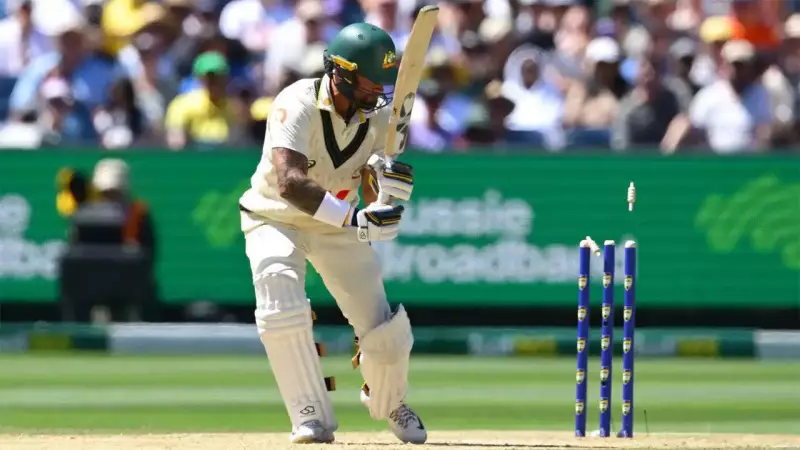
Page and his ground staff had deliberately left 10 millimetres of grass on the pitch, a tactical decision that backfired spectacularly. This led to excessive seam movement and unpredictable bounce, transforming the surface into a nightmare for batters. The match turned into a bowler's paradise, with a staggering 36 wickets tumbling in just 142 overs. The carnage began on day one, where 20 wickets fell, and the contest was brutally wrapped up by the evening of day two, handing England their first Test win on Australian soil since January 2011.
Financial Fallout and Historical Echoes
The two-day finish proved to be a financial disaster for the hosts. More than 90,000 spectators expected for day three, along with significant crowds for days four and five, never materialised. Cricket Australia was forced to refund all ticket sales for the cancelled days, compounding losses from the series opener in Perth, which also ended within two days. This marked a historic low, being the first time in 129 years that an Ashes series featured multiple two-day Tests, a scenario last common when pitches were left uncovered.

"I was in a state of shock," a remorseful Page admitted. "I've never been involved in a Test match like it and hopefully never involved in a Test match like that again. We know this hasn't gone as we planned. We will look at what we need to do to improve."
Contrasting Conditions and Mounting Criticism
Page explained that the strategy was influenced by cool, wet conditions before the match and a forecast of intense heat later. He aimed to preserve grass to withstand the sun. He contrasted this with last year's thrilling Test at the same venue, where grass was trimmed to 7mm, leading to a five-day classic where Australia defeated India in the final session.
However, the explanation did little to quell the fierce criticism. England captain Ben Stokes and Australian skipper Steve Smith both panned the surface. "Being brutally honest, that's not really what you want," Stokes said. Smith added, "When you see 36 wickets across two days, that's probably too much." Former England captain Michael Vaughan was more scathing, labelling the pitch "a joke" and accusing it of short-selling the game, players, broadcasters, and fans.
The International Cricket Council's match referee, Jeff Crowe, is yet to deliver his official assessment, which could include an "unsatisfactory" rating and a demerit point for the iconic MCG. Despite the furore, MCG chief executive Stuart Fox threw his full support behind Page, calling him one of the best curators in the country and vowing to stand by his team.