Sanjay Manjrekar Slams No Handshake Policy as 'Silly' Ahead of India-Pakistan T20 World Cup Fixture
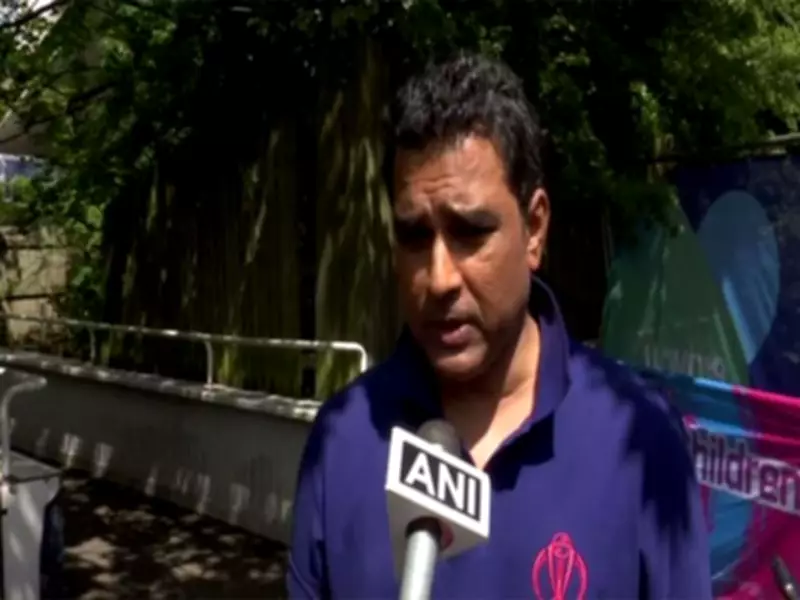
Former Indian cricketer and commentator Sanjay Manjrekar has stirred controversy by openly criticizing the no handshake rule between the Indian and Pakistani cricket teams, calling it a 'silly thing' in the lead-up to their highly anticipated T20 World Cup match. This statement comes as tensions mount for the crucial encounter, with fans and analysts debating the implications of such protocols on the spirit of the game.
Manjrekar's Candid Remarks on Sportsmanship
In a recent interview, Manjrekar expressed his disapproval of the decision to avoid handshakes, a measure often implemented due to political and security concerns between the two nations. He argued that such gestures are integral to cricket's ethos, emphasizing that players should be able to show mutual respect regardless of off-field issues. 'This no shaking hands is such a silly thing,' he stated, highlighting how it detracts from the camaraderie expected in international sports.
Context of the India-Pakistan Rivalry
The India-Pakistan cricket rivalry is one of the most intense in the world, often overshadowed by geopolitical tensions. Key points include:

- Matches are frequently marked by high security and diplomatic protocols.
- Past incidents have led to calls for minimizing direct interactions between teams.
- Despite this, players from both sides have occasionally exchanged pleasantries post-match.
Manjrekar's comments reflect a growing sentiment among some cricket enthusiasts who believe that sports should remain a platform for unity, not division.
Reactions and Broader Implications
Responses to Manjrekar's statement have been mixed:
- Supporters agree that handshakes symbolize sportsmanship and should not be politicized.
- Critics argue that safety and diplomatic sensitivities justify the rule.
- Experts note that such policies are not uncommon in high-stakes matches involving India and Pakistan.
This debate underscores the broader challenges of balancing sports with international relations, especially in events like the T20 World Cup where emotions run high.
Looking Ahead to the T20 World Cup Match
As the India-Pakistan fixture approaches, all eyes will be on how players navigate these protocols. Manjrekar's remarks have added an extra layer of discussion, prompting fans to reconsider what true sportsmanship means in today's competitive landscape. Whether his views influence future policies remains to be seen, but they have certainly sparked a necessary conversation in the cricketing community.