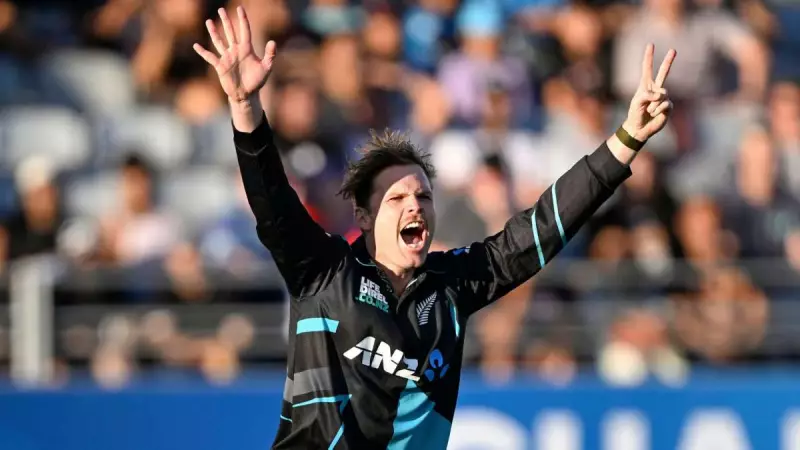
New Zealand's cricketing ambitions for the upcoming ICC T20 World Cup 2026 have been dealt a significant blow with the news that their premier fast bowler, Lockie Ferguson, has suffered a serious injury. The setback has cast a long shadow over his participation in the global tournament scheduled to be held in India and Sri Lanka.
A Major Setback for the Black Caps
The injury, described as significant, has forced Ferguson to undergo immediate medical assessment. While the exact nature and specific details of the injury are still being evaluated by the New Zealand Cricket (NZC) medical team, early indications suggest a substantial recovery period will be required. This development comes as a critical concern for the Black Caps, who heavily rely on Ferguson's express pace and wicket-taking ability in the shortest format of the game.
The 2026 T20 World Cup is set to be a landmark event, co-hosted by India and Sri Lanka. Ferguson's potential absence would leave a gaping hole in New Zealand's bowling attack. Known for his ability to consistently bowl at speeds exceeding 145 kmph and deliver crucial breakthroughs, especially in the powerplay and death overs, he is considered an indispensable part of their white-ball setup.

Recovery Timeline and Team Management's Dilemma
The primary focus for Ferguson and the NZC medical staff will now be on formulating a comprehensive rehabilitation plan. The road to recovery for fast bowlers from serious injuries is often long and arduous, involving careful management to prevent recurrences. This situation presents a complex challenge for the team's selectors and management as they plan their campaign for the marquee event two years away.
Historically, injuries have plagued several fast bowlers, impacting team strategies on the biggest stages. New Zealand will now have to explore contingency plans and potentially fast-track other pace-bowling talents within their system. The coming months will be crucial in monitoring Ferguson's progress and determining a realistic timeline for his return to competitive cricket.
Implications for New Zealand's Bowling Arsenal
Lockie Ferguson's injury raises immediate questions about the composition of New Zealand's pace battery for future series leading up to the World Cup. His absence would place increased responsibility on the shoulders of bowlers like Trent Boult, Tim Southee, and the rising stars in domestic cricket. The team may need to reconsider their balance and explore all-round options to maintain the attacking threat Ferguson provides.
This incident also highlights the intense physical demands placed on modern fast bowlers, who navigate a packed international calendar across all formats. Managing player workload has become a critical aspect of cricket management, and this injury will likely prompt further scrutiny within the New Zealand camp. Fans and cricket pundits worldwide will be keenly watching for updates on his fitness, hoping the speedster can make a full and timely recovery to showcase his skills on the World Cup stage in 2026.