Lalit Modi Blames Politicized PCB for India-Pakistan Cricket Stalemate
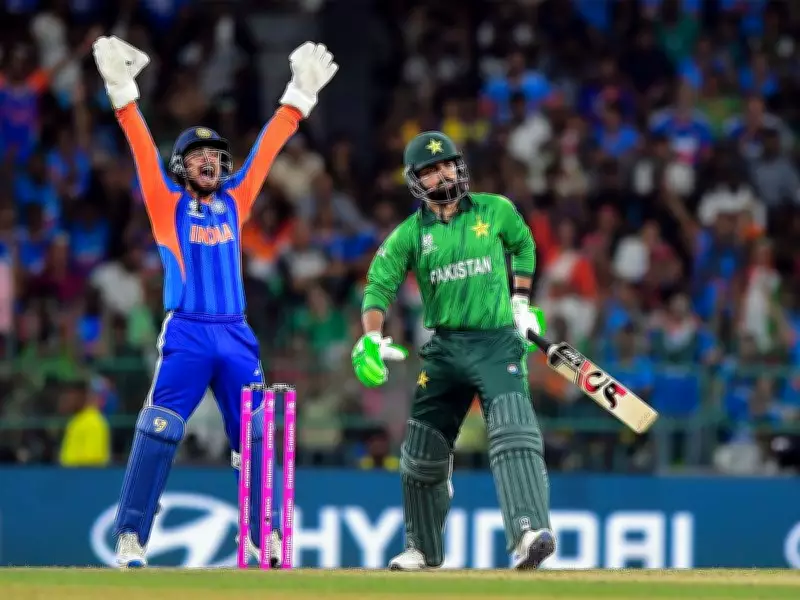
Former Indian Premier League (IPL) chairman Lalit Modi has publicly criticized the Pakistan Cricket Board (PCB), labeling it as deeply politicized. In a recent statement, Modi highlighted this politicization as a primary factor behind the ongoing freeze in bilateral cricket series between India and Pakistan. The two nations, which share a storied and intense cricketing rivalry, have not played a full bilateral series since 2012-2013, with matches limited to multi-nation tournaments like the ICC events.
Political Interference Hindering Cricket Relations
Modi emphasized that the PCB's operations are heavily influenced by political forces, which complicates efforts to resume cricketing ties. This politicization creates an unstable environment, making it difficult to plan and execute bilateral series. He pointed out that cricket should ideally remain separate from political tensions, but in Pakistan's case, the board's decisions often reflect broader geopolitical issues. This interference not only affects scheduling but also impacts the overall governance and transparency of cricket administration in Pakistan.
Historical Context and Current Status
The suspension of bilateral cricket between India and Pakistan dates back over a decade, primarily due to diplomatic strains and security concerns. While both teams continue to face each other in international tournaments, the absence of dedicated series has left a void in the cricketing calendar. Modi's comments shed light on the internal challenges within the PCB that exacerbate this situation. He suggested that until the board becomes less politicized and more focused on the sport itself, progress in reviving bilateral cricket will remain stalled.

Implications for Future Cricketing Engagements
The freeze in bilateral series has significant implications for players, fans, and the broader cricketing economy. Without regular matches, opportunities for cultural exchange and revenue generation are lost. Modi's critique underscores the need for structural reforms within the PCB to depoliticize its operations. If achieved, this could pave the way for renewed discussions and potentially thaw the frozen relations, benefiting the global cricket community. However, given the current political climate, such changes appear challenging in the near term.