Anil Kumble Weighs In on Abhishek Sharma's T20 World Cup Struggles
Former India cricket captain and legendary leg-spinner Anil Kumble has offered a critical analysis of young batter Abhishek Sharma's recent struggles during the T20 World Cup. Kumble, known for his sharp cricketing insights, pointed to a "muddled" mindset as a key factor behind Sharma's underwhelming performances on the global stage.
Kumble's Assessment of Sharma's Mental State
In a detailed commentary, Kumble emphasized that Sharma's issues appear to stem more from psychological challenges than technical flaws. "Head is a bit muddled," Kumble stated, suggesting that the pressure of representing India in a major tournament like the T20 World Cup has impacted Sharma's decision-making and shot selection. This observation highlights the intense mental demands of international cricket, where clarity and composure are crucial for success.
Kumble elaborated that Sharma, who has shown promise in domestic and IPL circuits, seems to be grappling with the transition to high-stakes international matches. The former coach noted that such struggles are common among young players but stressed the need for immediate attention to prevent long-term setbacks. "When your mind isn't clear, it reflects in your game," Kumble added, underscoring the importance of mental preparation alongside physical training.

Context of Abhishek Sharma's Performance
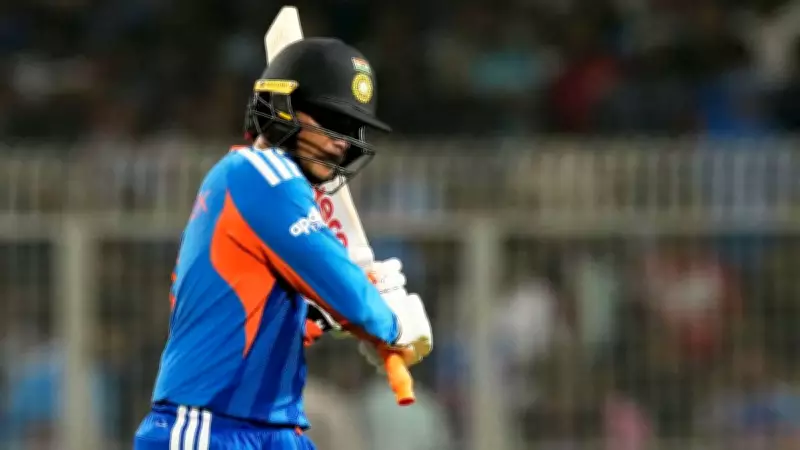
Abhishek Sharma, a talented left-handed batter, has been part of India's T20 setup with expectations riding high due to his aggressive style and previous successes. However, his performances in the T20 World Cup have fallen short, with inconsistent scores and visible discomfort against quality bowling attacks. Kumble's comments come at a time when fans and experts are scrutinizing India's batting lineup, especially the younger members tasked with delivering in crunch situations.
The T20 World Cup, a premier event in cricket, places immense pressure on players to perform under the spotlight. Sharma's struggles, as noted by Kumble, may be exacerbated by the tournament's high-intensity environment, where every match carries significant weight. This has led to discussions about the support systems in place for emerging cricketers, including mental conditioning and mentorship.
Broader Implications for Indian Cricket
Kumble's critique extends beyond Sharma's individual case, touching on broader themes in Indian cricket. He highlighted the need for better mental resilience training for young players transitioning to international levels. "We must ensure our talents are mentally equipped to handle the pressures," Kumble remarked, suggesting that the Board of Control for Cricket in India (BCCI) and team management could enhance focus on psychological aspects.
This analysis also raises questions about team selection and player development strategies. As India aims to build a robust squad for future tournaments, addressing such mental hurdles could be key to unlocking the full potential of players like Sharma. Kumble's insights serve as a reminder that cricket is as much a mental game as a physical one, requiring holistic support for athletes.
Looking Ahead for Abhishek Sharma
Despite the criticism, Kumble expressed optimism about Sharma's ability to bounce back. He advised the young batter to work on mental clarity, perhaps through meditation or counseling, and to focus on simplifying his approach at the crease. "With the right guidance, he can overcome this phase," Kumble concluded, pointing to Sharma's inherent talent as a foundation for improvement.
As the T20 World Cup progresses, all eyes will be on how Sharma responds to this feedback. His journey could inspire other young cricketers facing similar challenges, emphasizing the importance of mental fortitude in achieving sporting excellence. For now, Kumble's words offer a valuable perspective on the complexities of cricket at the highest level.