Kohli's Lone Battle Echoes Tendulkar Era as India's Batting Cracks
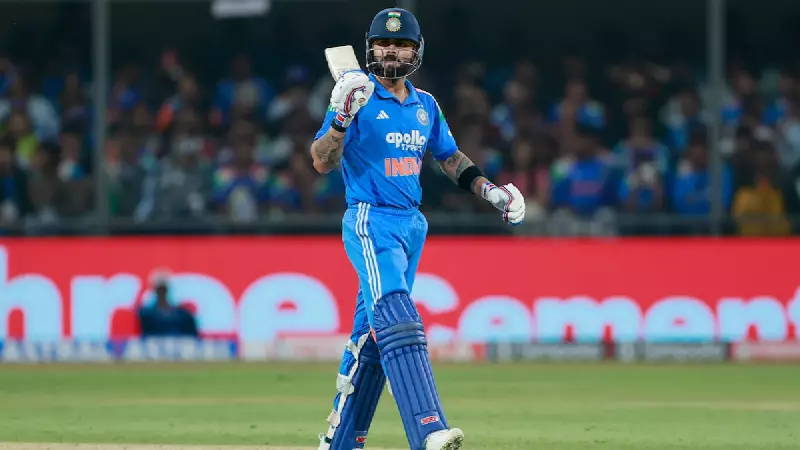
Virat Kohli played a magnificent innings of 124 runs at the Holkar Cricket Stadium in Indore. Yet, his heroic effort could not save India from defeat. New Zealand posted a formidable total of 337 runs. India's response fell short, losing the match and the ODI series 2-1.
The scene felt hauntingly familiar to cricket fans who remember the 1990s. Back then, Sachin Tendulkar often fought solitary battles, scoring centuries that masked deeper batting frailties. History repeated itself on January 18, 2026. Kohli batted with sublime grace on a flat pitch, but his teammates in the top order failed to capitalize.
A Desperate Gamble and a Painful Exit
Wickets tumbled regularly at the other end. Kohli found himself running out of partners. Facing a mounting required run rate with only tail-enders for company, he faced a difficult choice. Trust the lower order or take matters into his own hands.

He chose the latter. In a high-risk move, Kohli went for an aggressive, all-or-nothing shot. The gamble did not pay off. He was dismissed, and India's hopes evaporated with him. The loss exposed a worrying inconsistency within India's ODI batting lineup.
The narrative around Virat Kohli has shifted dramatically. Just months ago, discussions centered on his potential retirement and the rise of younger stars. Now, the conversation is different. The team may need him to stay longer, perhaps even until the 2027 World Cup.
The Rapid Reversal of Fortunes
Six months prior, Indian cricket appeared ready to turn the page. Shubman Gill, with a stellar 700-plus run series against England, was hailed as the heir apparent. He seemed destined to lead the ODI side soon, with veterans Rohit Sharma and Kohli expected to phase out gradually.
2027 felt distant. Logic suggested that without constant international cricket, the senior players might lack the drive for the intense training required at the top level. A new, younger team was taking shape under a coach wary of star culture.
Then, reality intervened. Rohit Sharma stunned everyone with a vintage performance in Australia, signaling he was not done. Kohli followed with a roaring comeback against South Africa, announcing his enduring class. In this final ODI of the season, his century was another emphatic statement: "I am back, and you need me."
Irony Hangs Heavy in the Indore Air
The irony was palpable. While Kohli reaffirmed his mastery, the new captain, Shubman Gill, struggled. Tall New Zealand bowler Kyle Jamieson exploited a familiar technical gap between Gill's bat and pad, clean bowling him. Gill looked a shadow of the batsman who had tamed England's attack.
Meanwhile, Kohli appeared to have found answers to his own technical challenges, notably the away-going delivery that once troubled him. In a matter of months, their career trajectories have seemingly swapped places.
The series loss serves as a stark lesson for the Indian team management and selectors. It forces a reassessment of the batting group's collective mindset. The inconsistency and pattern of dismissals are concerning. The team's reliance on its modern great is clearer than ever.
Sport is unpredictable. Today's heir apparent can face sudden trials, while a legend can rediscover his prime. For Indian cricket, the plea is now audible. It is a plea for Virat Kohli to linger, to guide, and to lead the charge toward 2027. The times, indeed, have changed.