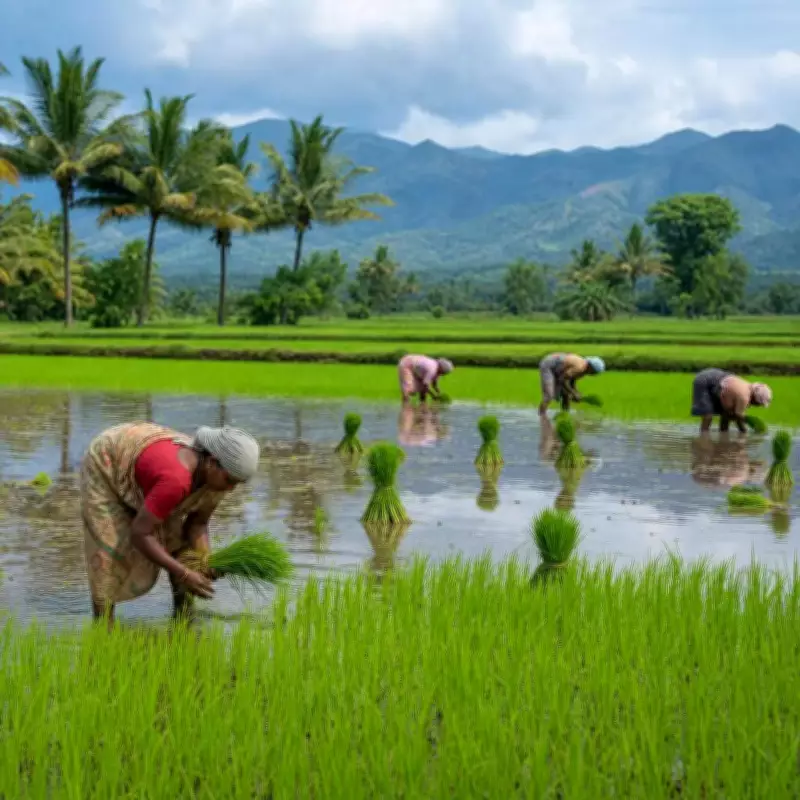
Madikeri: Kodagu district, once renowned for its flourishing agriculture, is now experiencing a significant reversal as the area under cultivation, particularly paddy, declines rapidly. In the past, paddy was cultivated on approximately 40,000 hectares, but this area has reduced substantially due to farmers' dwindling interest in paddy cultivation, influenced by multiple factors.
Factors Behind the Decline
Stakeholders report that large tracts of agricultural land are being converted for non-agricultural purposes driven by urbanization. Additionally, climate change and human-animal conflict have further contributed to the downturn in agriculture.
Shift to Cash Crops
While the entire agricultural sector has been affected, paddy cultivation has suffered the most, with farmers increasingly shifting to crops such as coffee, arecanut, banana, and ginger in former paddy fields.

Statistics from Agriculture Department
According to the agriculture department, paddy cultivation decreased by 4,000 hectares in 2025–26. Last year, the target for paddy cultivation in the district was 23,000 hectares, but only 19,000 hectares were actually cultivated.
Efforts to Revive Traditional Varieties
Some traditional varieties of paddy continue to be grown thanks to the sustained efforts of a few farmers, along with associations and organizations working to revive rice cultivation in recent years. Despite challenges, some small farmers persist in paddy cultivation out of commitment to traditional agricultural practices.
Government Support
This year, the agriculture department has set a target of 19,000 hectares for paddy cultivation. Officials said steps are being taken to support farmers by supplying seeds. Paddy seeds have been stocked at 16 farmer contact centers across the district, and distribution has begun, said Chandrashekhar, joint director of agriculture.
The district requires 1,352 quintals of seeds, and all centers currently have adequate stock. However, farmers have reported delays in sowing due to inadequate rainfall this season, he added.