John Wright Reflects on India's Historic 2001 Eden Gardens Triumph Over Australia
In the intense atmosphere of Eden Gardens during March 2001, John Wright – the pioneering foreign coach of the Indian cricket team – experienced the full spectrum of Test cricket drama. Twenty-five years later, the New Zealander vividly recalls the pressure, tactical masterstrokes, and profound significance of defeating the mighty Australians in what remains one of cricket's greatest comebacks.
The Unforgettable Crowd and Bleak Situation
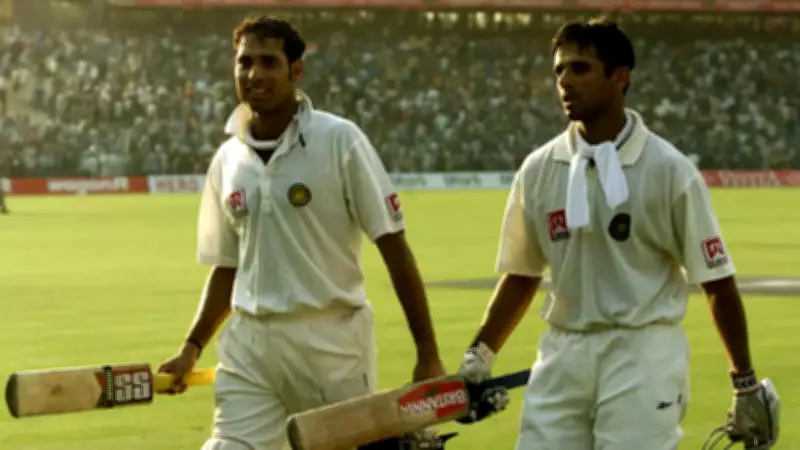
"I can't believe a quarter-century has passed!" Wright exclaimed from Christchurch. "The crowds were unlike anything I'd witnessed before – absolutely packed to capacity. By Day 3, our situation appeared hopeless. Yet, what unfolded over the subsequent two days was nothing short of miraculous, primarily driven by that extraordinary partnership between VVS Laxman and Rahul Dravid, culminating in Harbhajan Singh's bowling brilliance on the final day."
The pressure was immense, Wright emphasized, as Australia were reigning world champions enjoying a dominant winning streak.

Building the Team Against All Odds
Wright described the challenging circumstances surrounding the Indian team before that historic match. "These were early days in my tenure as India's first foreign coach, and Sourav Ganguly was also relatively new to captaincy," he noted. The odds were heavily stacked against them.
During a preparatory camp in Chennai with physio Andrew Leipus, the central question was: "How do we beat Australia?" Wright believes their meticulous preparation proved crucial. The absence of injured senior spinner Anil Kumble significantly shaped their strategy, leading selectors to identify young off-spinner Harbhajan Singh – a decision that would define his career.
"Looking back, I rank this series alongside our 2004 victory against Pakistan in terms of importance," Wright affirmed.
The Tactical Masterstroke: Promoting VVS Laxman
The turning point came with VVS Laxman's promotion up the batting order after India was asked to follow on. Laxman had already scored a fluent 59 in the first innings, and trailing 1–0 in the series, the team had little to lose.
Wright revealed an interesting influence: "I recall listening to Ian Chappell's television commentary. He's one analyst whose opinions I greatly respect. Ian suggested India should promote Laxman because of his excellent form, and his reasoning made perfect sense."
The team needed someone to aggressively counter Glenn McGrath and Shane Warne. "Sourav and I deliberated after the first innings and agreed that promoting VVS was our best strategic move," Wright explained. While emphasizing the captain's central role, Wright acknowledged their collective decision proved perfect.
Laxman's Masterclass and Team Dynamics
What made Laxman's innings particularly remarkable was his treatment of Shane Warne. "He frequently played against the spin while reaching the pitch of the ball with effortless grace," Wright marveled. "It was an absolute masterclass in playing spin bowling."
After tea on that crucial day, Laxman played two magnificent off-drives – one against McGrath and another off Jason Gillespie. "I remember wondering: how does he bat with such regal elegance?" Wright recalled.
Beyond his batting, Laxman served as a vital bridge between younger players and seniors. "If memory serves, he shared a room with Zaheer Khan," Wright noted, explaining their policy of pairing bowlers with batters. Laxman spent considerable time advising Zaheer on batting techniques.
During Wright's early coaching period with Ganguly, they focused on three key areas:
- Improving close catching
- Sharpening running between wickets
- Raising overall fitness levels
They also aimed to strengthen lower-order contributions to prevent collapses from positions like 200/5. "The only missing element was a genuine all-rounder," Wright observed.

Dravid's Monumental Contribution and Unsung Heroes
Rahul Dravid's role was absolutely crucial, Wright emphasized. "Rahul deserves enormous credit. Though demoted to No.6 in the second innings, he accepted it sportingly and played a monumental 180-run innings."
Laxman and Dravid formed a terrific partnership, later replicating their success against Australia in Adelaide during 2003. "Rahul was in an incredibly productive phase – whether at Headingley in 2002, Adelaide in 2003, or Lahore in 2004. He was truly our rock," Wright praised.
While Harbhajan Singh's bowling – including his famous hat-trick – is rightly celebrated, Wright highlighted other contributors. "We shouldn't forget Sachin Tendulkar's spell, where he claimed three vital wickets," he said. The pitch offered grip on the final day, and Ganguly's decision to give Tendulkar the ball proved masterful.
Wright also remembered SS Das taking two outstanding catches. "Everyone contributed significantly to that victory," he affirmed.
The Tense Final Day and Lasting Legacy
The final day was incredibly tense, Wright recalled. "I watched from a distance as drama unfolded. Eden Gardens had transformed into a cauldron of emotion, with riveting ebb and flow throughout the day." He added: "I've always believed India has the world's best cricket fans, and they deserved every bit of that thrilling entertainment."
This victory provided enormous confidence heading into the third Test in Chennai, which India also won. "It extended my coaching tenure by four years," Wright revealed. "Had we lost that series, I would have packed my bags and returned home."
At the time, events unfolded so rapidly that their full impact wasn't immediately absorbed. "Looking back, that victory injected tremendous self-belief into the team and paved the way for subsequent overseas successes," Wright concluded, reflecting on how that epic Eden Gardens triumph fundamentally transformed Indian cricket's trajectory.