
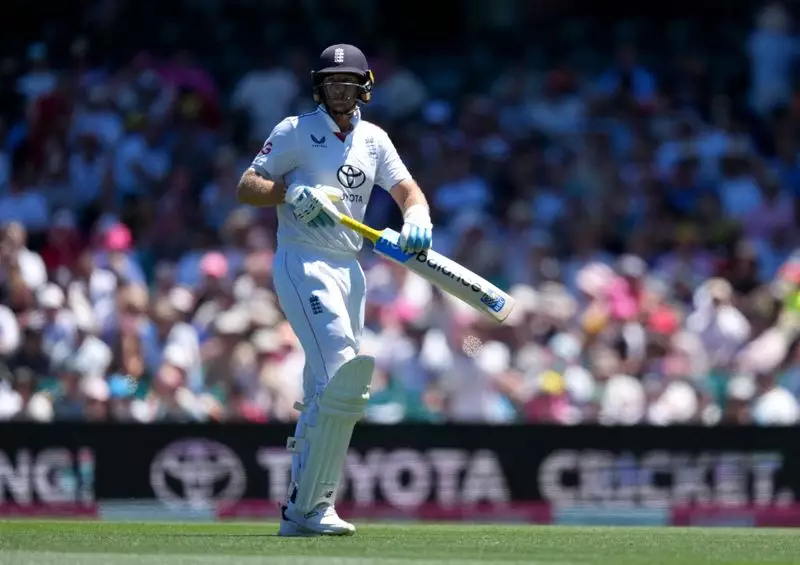
English batting maestro Joe Root has etched his name deeper into the annals of cricket history. During the third Test against the West Indies at Lord's, Root became only the seventh batter in the world, and the second from England, to cross the monumental landmark of 12,000 runs in Test cricket. This achievement places him in an elite pantheon alongside legends like Sachin Tendulkar, Ricky Ponting, and his compatriot Sir Alastair Cook.
The Moment of History at the Home of Cricket
The historic moment arrived on Saturday, July 20, 2024. Root, resuming his innings, needed just 19 runs to reach the 12,000-run mark. He achieved the feat with a characteristic flick off his pads for a single against pacer Jayden Seales. The crowd at the iconic Lord's Cricket Ground rose to applaud a modern great, acknowledging a career built on consistency, technical brilliance, and an unwavering passion for the longest format.
Root's journey to this summit is a testament to his longevity and skill. He is the fastest among the elite seven to reach this milestone in terms of innings played, underlining his remarkable scoring rate and ability to convert starts into substantial scores. His career, which began in 2012, has seen him amass these runs at an impressive average, often serving as the bedrock of the English batting lineup through various transitions.
Root in the Pantheon of Batting Greats
By entering the 12,000-run club, Root joins a list of immortals. The complete list of batters with 12,000+ Test runs is:
- Sachin Tendulkar (IND) - 15,921 runs
- Ricky Ponting (AUS) - 13,378 runs
- Jacques Kallis (SA) - 13,289 runs
- Rahul Dravid (IND) - 13,288 runs
- Alastair Cook (ENG) - 12,472 runs
- Kumar Sangakkara (SL) - 12,400 runs
- Joe Root (ENG) - 12,000+ runs
This achievement solidifies Root's status as one of the finest batters of his generation and arguably England's greatest ever. He now stands as the leading run-scorer among active Test cricketers, a mantle he carries with typical humility and a focus on team success.
A Bittersweet Test Match and a Legend's Farewell
The Lord's Test was laden with emotion, marking the end of an era for English cricket. It was the final international match for the legendary fast bowler James Anderson, Root's long-time teammate. Anderson, the most prolific fast bowler in Test history, retired after a staggering 188 Test matches.
While Root's personal milestone was a cause for celebration, the match context added layers to the narrative. England, having set the West Indies a target, found themselves in a tense battle. The visitors, led by a spirited batting performance, were in pursuit of a record chase at Lord's. Root's contribution with the bat was crucial in setting up the game, highlighting how his individual milestones are often intertwined with the team's fortunes.
The Test culminated in a dramatic final-day finish, with England managing to secure a victory. This provided a fitting, winning send-off for James Anderson, allowing Root's milestone and his friend's farewell to be celebrated in a triumphant dressing room.
What This Milestone Means for Joe Root and Cricket
Crossing 12,000 runs is more than just a number for Joe Root. It is a validation of his classical, risk-averse batting style in an era increasingly dominated by aggressive, white-ball influenced play. Root has remained a devoted ambassador for Test cricket, proving that traditional values of patience, footwork, and shot selection still hold the key to sustained success.
For England, having a batter of his caliber provides immense stability. As the team looks to rebuild and forge a new identity post the retirements of stalwarts like Anderson and Broad, Root's experience and mountain of runs will be the guiding light for a new generation of batters.
Looking ahead, the records of Alastair Cook (12,472) and Kumar Sangakkara (12,400) are well within Root's reach. Given his form and fitness, he is poised to climb even higher on the all-time list in the coming years. His journey from a talented youngster to a record-breaking veteran is a masterclass in dedication, making him a true modern icon of English sport.