JKNC Leader Urges Separation of Sports and Politics Following Pakistan's T20 World Cup Boycott Decision
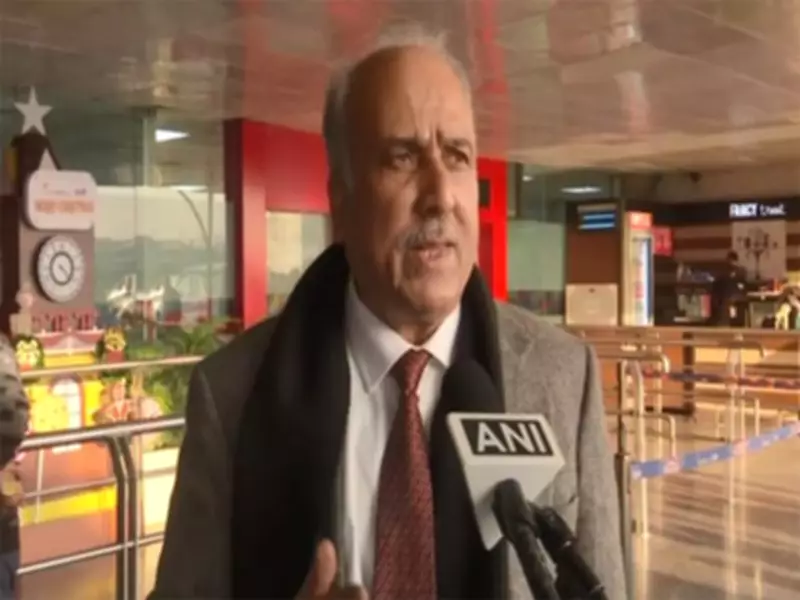
In a recent development that has stirred the cricketing world, JKNC leader Hasnain Masoodi has voiced strong opposition to Pakistan's decision to boycott the upcoming T20 World Cup match against India. Masoodi emphasized that sports should not be dragged into political disputes, highlighting the importance of maintaining the integrity and spirit of athletic competition.
Pakistan's Controversial Boycott Announcement
The controversy erupted when Pakistan announced its intention to boycott the highly anticipated T20 World Cup clash against India. This decision has sparked widespread debate, with many viewing it as a politically motivated move rather than one based on sporting considerations. The match, which is a marquee event in the tournament, is now under a cloud of uncertainty due to these geopolitical tensions.
Hasnain Masoodi's Firm Stance on Sports Neutrality
Hasnain Masoodi, a prominent leader from the Jammu and Kashmir National Conference (JKNC), has taken a firm stance against this politicization of sports. In his statement, Masoodi argued that sports serve as a bridge between nations, fostering camaraderie and mutual respect. He expressed concern that mixing politics with athletics could undermine these positive aspects, potentially harming international relations and the global sports community.

"Athletic events like the T20 World Cup are meant to unite people across borders, not divide them," Masoodi remarked. He urged all parties to reconsider such decisions, advocating for a focus on the game itself rather than external political factors.
Broader Implications for International Sports
This incident raises important questions about the role of politics in international sports. Historically, sports have often been used as a platform for political statements, but many argue that this detracts from the core values of fair play and sportsmanship. The boycott could set a precedent, encouraging other nations to use sporting events as leverage in diplomatic conflicts, which might erode the essence of global competitions.
- Impact on Players and Fans: The boycott not only affects the teams involved but also disappoints millions of cricket enthusiasts who look forward to such high-stakes matches.
- Economic Consequences: Major sporting events generate significant revenue through broadcasting rights, sponsorships, and tourism. A boycott could lead to financial losses for organizers and stakeholders.
- Future of India-Pakistan Cricket Relations: This move might further strain the already tense cricketing ties between the two nations, making future collaborations more challenging.
Call for Dialogue and Resolution
Masoodi has called for constructive dialogue between the concerned authorities to resolve the issue amicably. He suggested that sports governing bodies, such as the International Cricket Council (ICC), should play a proactive role in ensuring that politics does not overshadow the spirit of the game. By fostering open communication, it might be possible to find a middle ground that respects both sporting and diplomatic sensitivities.
In conclusion, the JKNC leader's remarks underscore a critical need to keep sports separate from political agendas. As the T20 World Cup approaches, the hope remains that cooler heads will prevail, allowing the focus to return to the thrilling cricket action that fans worldwide eagerly anticipate.