India Captain Suryakumar Yadav Confirms Unchanged Playing XI for Crucial Super 8 Clash
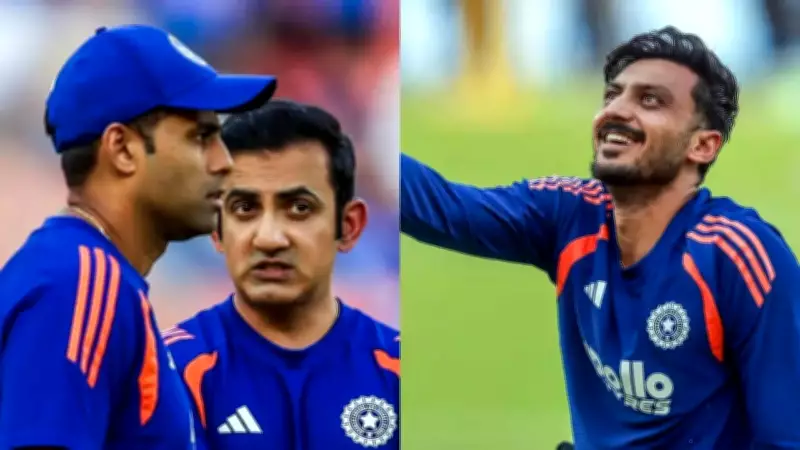
In a significant tactical decision ahead of their T20 World Cup Super 8 encounter against South Africa on Sunday, India captain Suryakumar Yadav revealed that the team would field the exact same playing eleven from their previous match. This announcement meant that vice-captain Axar Patel would once again be excluded from the lineup, with all-rounder Washington Sundar retaining his spot in the team composition.
Tough Call on Axar Patel Despite Toss Result
After losing the toss, Suryakumar Yadav admitted that he had initially hoped to bat first but accepted the outcome gracefully. He addressed the difficult decision regarding Axar Patel's continued absence from the playing eleven, describing it as a purely tactical move. "I was actually looking to bat first, but it's okay, and we're happy to bowl first. It's very harsh on Axar Patel, but we're going with the same team - just a tactical decision, so no changes from the last game," the Indian skipper explained during the toss ceremony.
Social Media Erupts Over Axar Patel Exclusion
The decision to persist with Washington Sundar over Axar Patel generated immediate and intense reactions across various social media platforms. Numerous cricket enthusiasts expressed confusion and frustration over the selection, particularly given Axar Patel's established credentials in T20 international cricket.

One passionate fan questioned the logic behind the move on social media platform X, writing: "Can someone tell me, why Axar Patel is dropped with his OG T20I performances?" Another supporter raised tactical concerns, asking: "I have another question, can somebody tell me why Washington Sundar is not bowling to David Miller, if he was selected over Axar with lefties excuse? Does anything make sense under Gambhir?"
These sentiments reflected a broader wave of disappointment among Indian cricket followers who believed Axar Patel's experience and recent performances warranted his inclusion in such a crucial World Cup match.
South Africa's Roller-Coaster Innings Against India's Bowling Attack
After winning the toss and electing to bat first, South Africa experienced a disastrous beginning to their innings. India's pace spearheads Jasprit Bumrah and Arshdeep Singh struck early blows, reducing the Proteas to a precarious 20/3 within just four overs. The early wickets created significant pressure on the South African batting lineup.
However, David Miller and Dewald Brevis mounted an impressive counter-attack that shifted the momentum dramatically. Miller targeted Indian bowlers Varun Chakravarthy and Arshdeep Singh with powerful boundary shots, while Brevis complemented his partner with aggressive strokes against Washington Sundar and other bowlers.
The partnership flourished as the duo added quick runs at an accelerating pace, helping South Africa recover to 84/3 at the halfway mark of their innings. Their collaboration provided the foundation for a competitive total.
Strong Finish Propels South Africa to Challenging Total
Despite the early setbacks, South Africa managed to post a formidable total of 187/7 in their allotted twenty overs. David Miller's explosive 63 runs from just 35 deliveries formed the backbone of the innings, supported by Dewald Brevis' valuable contribution of 45 runs from 29 balls. Tristan Stubbs provided crucial late impetus with an unbeaten 44 runs from 24 deliveries.
Jasprit Bumrah emerged as India's most effective bowler, claiming three wickets for just fifteen runs in his four-over spell. Arshdeep Singh provided valuable support with figures of 2/28. Nevertheless, the Indian team faced a substantial challenge in their pursuit of 188 runs for victory in this critical Super 8 encounter.
The match highlighted ongoing selection debates while showcasing the competitive nature of T20 World Cup cricket, where tactical decisions and individual performances can significantly influence outcomes in high-pressure situations.