India's T20 World Cup 2026 Campaign Derailed by Persistent Opening Failures
The Indian cricket team's journey in the ICC T20 World Cup 2026 has hit a significant roadblock, with their performance unraveling due to a glaring absence of a contingency strategy. In a startling revelation, India has lost one of their opening batsmen for a duck in four out of the five matches played so far in the tournament. This recurring issue has exposed a critical flaw in the team's planning and execution, raising questions about their preparedness for high-stakes international cricket.
Opening Pair Struggles: A Statistical Breakdown of the Crisis
Delving into the specifics, the opening woes have been spearheaded by Abhishek Sharma, who has been dismissed for a duck on three separate occasions during the tournament. His partner, Ishan Kishan, has also contributed to this troubling trend by falling for a duck in one match. This combined tally of four ducks from the opening slot in just five games underscores a systemic failure at the top of the batting order, putting immense pressure on the middle and lower-order batsmen to stabilize the innings from precarious positions.
The impact of these early losses cannot be overstated. In T20 cricket, where momentum is paramount, losing an opener without scoring disrupts the team's rhythm and forces a defensive approach early in the innings. This has likely hampered India's ability to post competitive totals or chase targets aggressively, directly affecting their match outcomes and standing in the tournament.

The Strategic Void: Why India Lacks a Plan B
What makes this situation particularly alarming is the apparent lack of a Plan B from the team management and selectors. Despite the evident struggles of Sharma and Kishan, there seems to be no viable alternative or backup strategy in place. This rigidity in team selection and batting order has left India vulnerable, with opponents exploiting this predictability to gain early advantages.
In modern cricket, adaptability is key, and successful teams often have flexible batting lineups and reserve players ready to step in when form dips. India's failure to address this issue mid-tournament suggests a deeper problem in strategic foresight and crisis management. The reliance on underperforming openers without exploring other options, such as promoting in-form middle-order batsmen or utilizing bench strength, has cost the team dearly.
Match Context: A Glimpse into the On-Field Drama
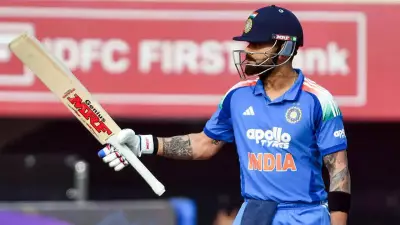
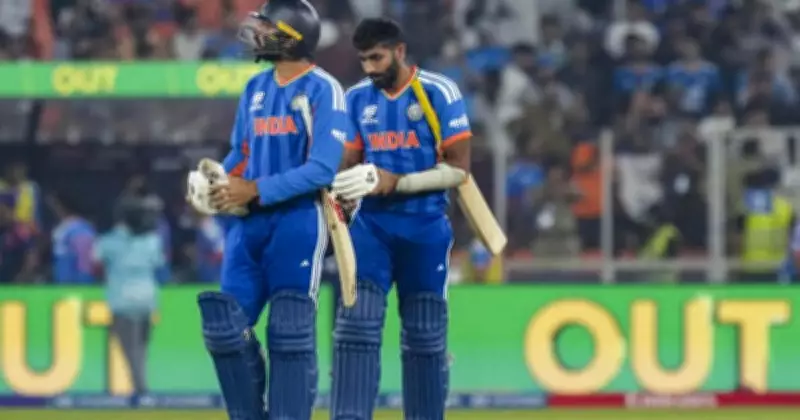
During a recent ICC Men's T20 World Cup 2026 cricket match between India and South Africa, held at the iconic Narendra Modi Stadium in Ahmedabad, the struggles were on full display. While specific details of that match are not elaborated in the original report, it is implied that the opening failures contributed to a challenging situation for India. Players like Shivam Dube, who was seen playing a shot during the game, likely had to contend with the added burden of early wickets, affecting their natural game and the team's overall strategy.
This match, among others, serves as a microcosm of India's broader issues in the tournament. The inability to provide a solid start has forced the middle order to play catch-up, often in high-pressure scenarios against world-class bowling attacks. This not only tests the technical skills of the batsmen but also their mental fortitude, which can be eroded by consistent early setbacks.
Looking Ahead: Implications for India's World Cup Hopes
As the tournament progresses, India must urgently address these opening woes to salvage their campaign. The current situation highlights several key areas for improvement:

- Reassessment of Opening Combination: The team management needs to critically evaluate whether Sharma and Kishan are the best options moving forward, considering their poor form.
- Development of Backup Plans: Implementing flexible strategies, such as having reserve openers or adjusting the batting order based on match conditions, could provide much-needed stability.
- Focus on Mental Conditioning: Early ducks can dent confidence; psychological support for the openers might help them regain form and composure.
- Learning from Past Successes: Reflecting on previous tournaments where India excelled with reliable opening partnerships could offer insights into rectifying current issues.
In conclusion, India's performance in the ICC T20 World Cup 2026 is at a crossroads, with their game unraveling due to persistent opening failures and a lack of strategic alternatives. Without swift corrective measures, their hopes of lifting the trophy may remain unfulfilled, serving as a stark reminder of the importance of adaptability and depth in international cricket.