Indian cricket is facing a systemic crisis as the once-celebrated player development pathway that produced world-class talent has been completely dismantled, leading to the team's recent decline in Test matches. The stark contrast between the historic Gabba heist in January 2021 and meek home defeats to New Zealand and South Africa highlights this alarming collapse.
The Bench Strength That Was
During Rahul Dravid's tenure at the National Cricket Academy from 2015 to 2021, India established a meticulously planned feeder system that created exceptional bench strength. Former selection committee chairman MSK Prasad revealed how this system operated with perfect synchronization between the Indian team management, selectors, NCA, and India A coaches.
We had created a pool of 60 players according to positions and formats, Prasad told TOI. Regular meetings involving head coach Ravi Shastri, Dravid, and Prasad ensured every position had planned succession. The system produced established stars like Rishabh Pant, Mohammed Siraj, Washington Sundar, Kuldeep Yadav, and Axar Patel, all of whom made seamless transitions to international cricket.
The Current Collapse
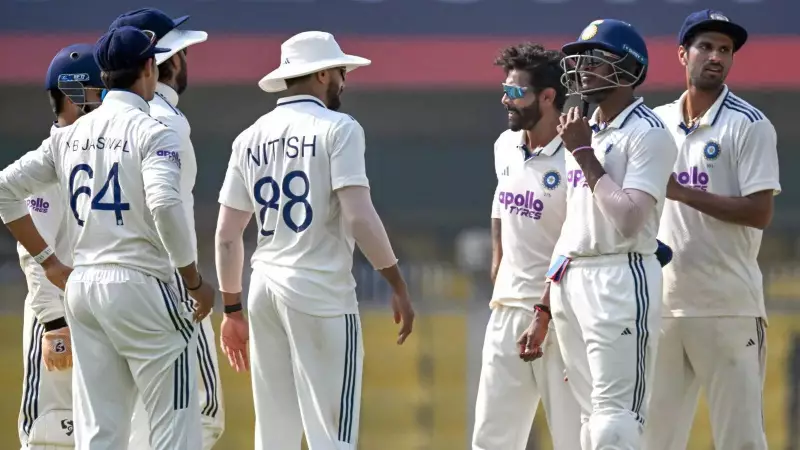
The recent selection of Nitish Kumar Reddy for the Guwahati Test against South Africa exemplifies the system's failure. Despite evident frailties at the international level, Reddy was chosen primarily because the team needed a right-handed batter against left-hander dominated line-ups. This desperate selection highlights the absence of quality middle-order backups.
Former selector Devang Gandhi pointed to premature discarding of players like Sarfaraz Khan and the stagnation of talents like Abhimanyu Easwaran and Ruturaj Gaikwad in India A. The fact that Dhruv Jurel and Reddy are the only options to form the middle order makes you wonder if Sarfaraz Khan has been discarded too soon, Gandhi questioned.
Broken Synchronization
The current system lacks the absolute synergy that characterized the previous regime. While current NCA head VVS Laxman and chief selector Ajit Agarkar are working to revive the India A program, the crucial coordination between senior team, selectors, and developmental sides has disappeared.
Prasad emphasized the importance of this coordination: I feel that someone of Laxman's stature has to have greater influence on the pathway. At the moment, players are picked with very little experience at the first-class level.
The selection committee's reduced presence in domestic cricket has become concerning. During recent Ranji Trophy matches, three national selectors were overseas, contrasting sharply with the previous policy where covering domestic cricket across the country was mandatory.
Despite the 2-2 result in England showing glimpses of available talent, the current management needs to patiently stick with a structured plan to rebuild the broken development pathway that once made Indian cricket the envy of the world.