India-Pakistan T20 World Cup Clash Shatters Digital Records Amid Dominant Victory
The blockbuster T20 World Cup encounter between India and Pakistan on February 15 at Ahmedabad's Narendra Modi Stadium delivered more than just cricketing fireworks. Beyond the thrilling on-field action, the match set staggering new benchmarks in digital engagement, cementing its status as a historic sporting spectacle.
Unprecedented Digital Reach and Engagement
JioStar, the official digital and broadcast partner for the ICC Men's T20 World Cup 2026, revealed that the high-stakes fixture achieved an unprecedented digital reach of 163 million viewers. This remarkable figure represents the highest digital audience for any ICC T20 World Cup match in history, surpassing even the viewership numbers recorded during the 2024 final between India and South Africa.
The digital engagement metrics tell a compelling story of fan enthusiasm. The India-Pakistan clash witnessed a substantial 56% growth in reach compared to their encounter during the 2024 edition of the tournament. Across all screens and platforms, fans consumed a staggering 20 billion minutes of total watch time, reflecting immense viewer dedication and the match's magnetic appeal.

India's Commanding Performance on the Field
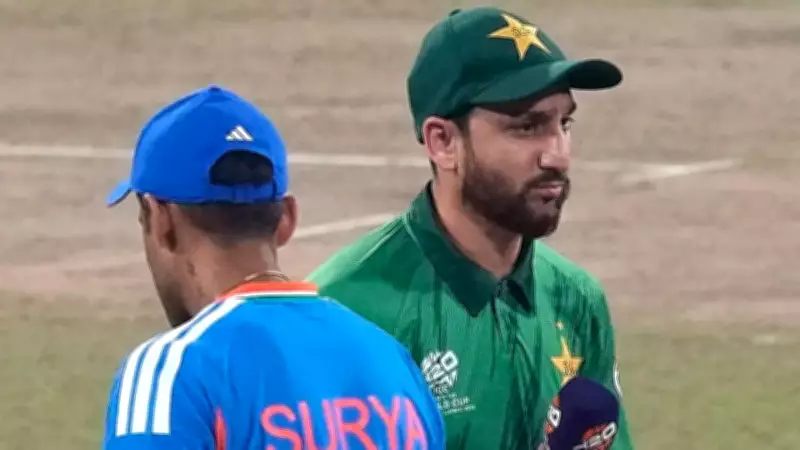
While digital records were being shattered off the field, India delivered a ruthless cricketing performance that secured their place in the Super Eight stage with an unbeaten record. Opting to field first after winning the toss, Pakistan captain Salman Ali Agha made a surprising tactical move by bringing himself on to bowl the opening over. This gamble initially paid off with the early dismissal of Abhishek Sharma.
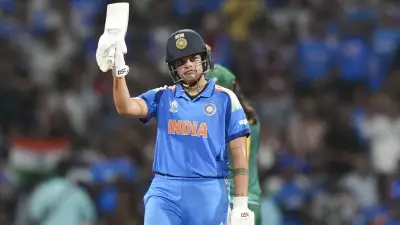
However, Ishan Kishan immediately shifted the momentum with a power-packed display of aggressive batting. Launching Shaheen Shah Afridi for a six off the very first ball he faced, Kishan maintained his attacking intent throughout the powerplay. Supported by Tilak Varma, India raced to 52 for 1 after the initial six overs, with Kishan contributing a blistering 42 runs from just 25 deliveries.
Kishan's dominance extended beyond the powerplay restrictions as he reached a fifty in just 27 balls. His brilliant innings culminated in 77 runs off 40 deliveries before being dismissed by Saim Ayub. Pakistan employed an unusual bowling strategy, utilizing six different spinners during the innings—the most ever by any team in T20 World Cup history and equaling the record for Full Member nations in T20 Internationals.
Saim Ayub emerged as Pakistan's standout bowler, claiming the wickets of Tilak Varma and Hardik Pandya while finishing with impressive figures of 3 wickets for 25 runs. He came remarkably close to achieving a hat-trick during his spell. India concluded their innings at 175 for 7, with valuable contributions coming from Suryakumar Yadav (32 runs), Shivam Dube (27 runs), and Rinku Singh (11 runs).
Pakistan's Chase Falters Under Pressure
Pakistan's response with the bat never gained meaningful traction against India's disciplined bowling attack. Hardik Pandya struck early, dismissing Shahibzada Farhan for a duck, while Jasprit Bumrah and Saim Ayub systematically dismantled the middle order. Even experienced campaigners like captain Salman Ali Agha and former skipper Babar Azam faltered under mounting pressure.
The lone bright spot in Pakistan's batting lineup was Usman Khan, who fought valiantly with 44 runs off 34 deliveries. However, India's bowlers maintained relentless control throughout the innings. Jasprit Bumrah led the attack with figures of 2 wickets for 17 runs, supported effectively by Axar Patel (2/29) and Varun Chakravarthy (2/16). Pakistan was eventually bowled out for 114 runs in just 17.5 overs, handing India a comprehensive 61-run victory.
Brief Scores:
India: 175/7 (Ishan Kishan 77, Suryakumar Yadav 32, Shivam Dube 27; Saim Ayub 3/25)
Pakistan: 114 all out (Usman Khan 44; Jasprit Bumrah 2/17, Axar Patel 2/29, Varun Chakravarthy 2/16)
The match not only demonstrated India's cricketing supremacy but also highlighted the evolving landscape of sports consumption, where digital engagement has become as significant as on-field performances in defining a sporting event's legacy.