T20 World Cup 2026: Handshake Protocol Between India and Pakistan Remains in Limbo
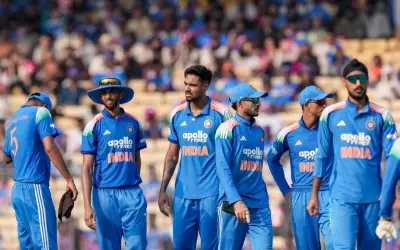
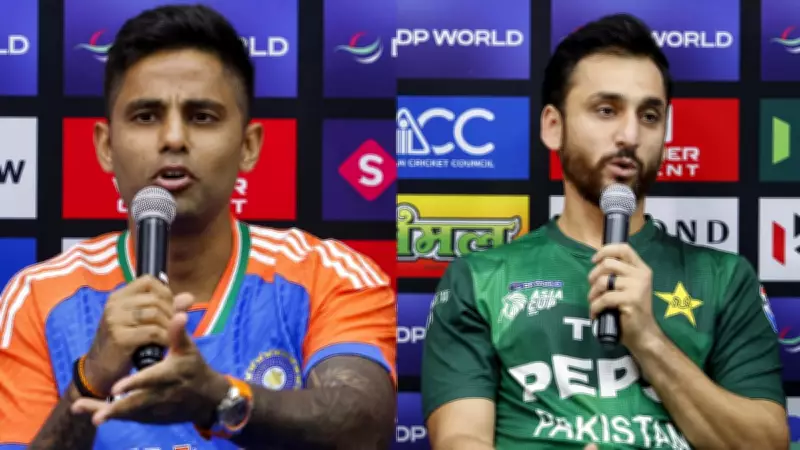
In a development highlighting ongoing diplomatic strains, Indian and Pakistani cricketers have maintained their stance of avoiding customary handshakes, with key players like Suryakumar Yadav and Salman Ali expressing non-committal views ahead of the T20 World Cup 2026. This practice, which began after the 2025 Asia Cup in Dubai, continues to cast a shadow over cricketing relations between the two nations.
Background of the Handshake Pause
The cessation of handshakes between Indian and Pakistani players dates back to the aftermath of the Pahalgam massacre and the subsequent Operation Sindoor conducted by the Indian Armed Forces. These events, which occurred prior to the 2025 Asia Cup, led to a heightened sense of tension, prompting players from both sides to forgo the traditional pre- and post-match greetings as a symbolic gesture of solidarity with their respective national sentiments.
Since then, this informal protocol has persisted, with teams opting for nods or distant acknowledgments instead of physical contact during matches. The T20 World Cup 2026, scheduled to feature high-stakes encounters between India and Pakistan, has brought this issue back into the spotlight, as fans and analysts speculate on whether the cricketing fraternity will resume this age-old tradition.

Player Perspectives and Media Reactions
When questioned about the possibility of reinstating handshakes, Suryakumar Yadav, a prominent figure in the Indian batting lineup, remained evasive, stating that the decision would depend on team management and broader national considerations. Similarly, Salman Ali, representing Pakistan, echoed this sentiment, emphasizing that such matters extend beyond individual preferences and are influenced by the prevailing geopolitical climate.
Media reports, including those from PTI, have noted that both squads are adhering to a "wait for 24 hours" approach, suggesting that any potential change in protocol might be announced closer to match time. This cautious stance reflects the sensitive nature of India-Pakistan relations, where even minor gestures on the sports field can carry significant political weight.
Implications for Cricket and Beyond
The ongoing handshake hiatus underscores the complex interplay between sports and diplomacy in the subcontinent. While cricket has often served as a bridge between India and Pakistan, fostering moments of camaraderie and mutual respect, recent years have seen a shift towards more restrained interactions. Experts argue that this trend may impact the spirit of the game, potentially affecting player morale and fan engagement during high-profile tournaments like the T20 World Cup.
As the 2026 event approaches, stakeholders from both countries are closely monitoring the situation, hoping for a thaw in relations that could pave the way for normalized sporting exchanges. However, with historical grievances and current tensions lingering, the prospect of a resumed handshake ritual remains uncertain, leaving the cricketing world in anticipation of further developments.
In summary, the T20 World Cup 2026 is set against a backdrop of diplomatic caution, with Indian and Pakistani players like Suryakumar Yadav and Salman Ali hesitant to commit to handshakes. This stance, rooted in events from the 2025 Asia Cup era, highlights the enduring challenges of blending sports with politics in one of the world's most storied rivalries.