India-Pakistan Cricket Drama: Hypocrisy on the Field and Beyond
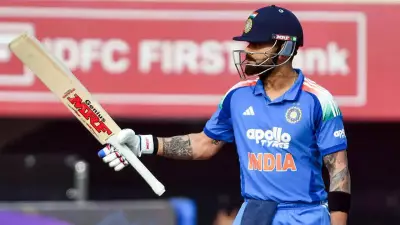
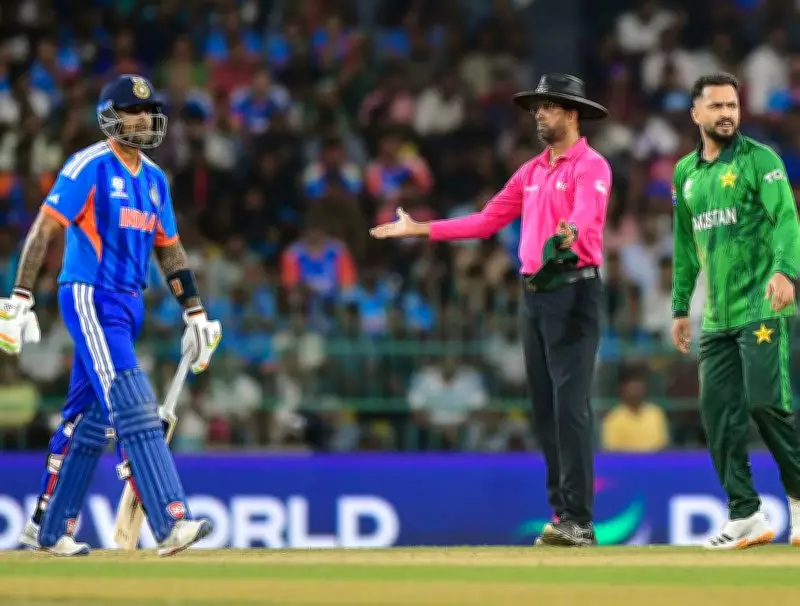
The recent cricket match between India and Pakistan has ignited a firestorm of controversy, not just for the on-field action but for the underlying political and social tensions that spilled over into the game. What was meant to be a display of sportsmanship turned into a churlish drama, raising questions about the necessity of such behavior in international sports.
The On-Field Controversy
During the match, players from both sides engaged in heated exchanges and unsportsmanlike conduct, including verbal taunts and aggressive gestures. This behavior was widely criticized by fans and analysts, who argued that it detracted from the spirit of the game. The incident highlighted how historical and political animosities between India and Pakistan can manifest even in seemingly apolitical arenas like cricket.
Experts point out that such dramas are not isolated incidents but reflect broader diplomatic strains. The two nations have a long history of conflict, and cricket matches often become proxy battlegrounds. This time, the on-field antics were seen as a microcosm of the larger geopolitical rivalry, with players possibly feeling pressured to assert national pride in contentious ways.

Hypocrisy in Sports Diplomacy
The drama has exposed a deep-seated hypocrisy in how India and Pakistan approach sports diplomacy. On one hand, both countries promote cricket as a tool for peace and cultural exchange, organizing events like the Asia Cup or bilateral series to foster goodwill. On the other hand, when tensions flare, the same platform is used to fuel nationalism and discord.
This duality is evident in the reactions from officials and media. While some called for calm and emphasized the unifying power of sports, others amplified the controversy, using it to score political points. For instance, social media was flooded with partisan comments, turning a sports event into a polarized debate.
- The match saw a decline in decorum, with players ignoring codes of conduct.
- Fans from both sides engaged in online trolling, exacerbating the drama.
- Historical grievances were invoked, linking the on-field behavior to past conflicts.
Was It Necessary?
Critics argue that the drama was unnecessary and counterproductive. Cricket, as a global sport, should transcend political boundaries and promote fair play. By allowing tensions to boil over, India and Pakistan missed an opportunity to showcase maturity and sportsmanship. Instead, the incident reinforced stereotypes and deepened divides.
Moreover, this behavior sets a poor example for younger fans and players. It normalizes aggression and undermines efforts to use sports as a bridge between nations. In an era where diplomacy is increasingly complex, such incidents can have real-world consequences, affecting bilateral relations and public perception.
- The drama diverted attention from the actual game, reducing it to a spectacle of conflict.
- It highlighted the failure of sports bodies to enforce discipline and promote unity.
- Future matches may see increased security and scrutiny, impacting the fan experience.
Looking Ahead
To prevent similar dramas, stakeholders must take proactive steps. Cricket boards in India and Pakistan should implement stricter codes of conduct and promote educational programs on sportsmanship. Diplomatic channels could be leveraged to ensure that matches are not politicized, focusing instead on the athletic competition.
Ultimately, the hypocrisy has no boundaries, but it is up to both nations to decide whether they want cricket to be a source of division or a catalyst for positive change. By learning from this incident, they can work towards a future where sports truly unite, rather than divide.