India Delivers Harsh Reality Check to Pakistan in T20 Clash
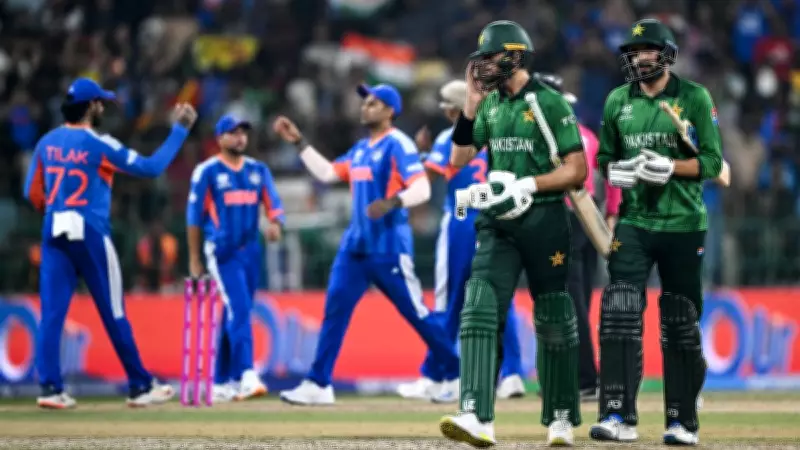
In a highly anticipated cricket match, India handed Pakistan a decisive defeat, exposing what analysts are calling a "stuck-in-time" approach to the T20 format. The game, played on February 15, 2026, saw India outclass Pakistan in all departments, leading to widespread criticism of Pakistan's reliance on a tactical model reminiscent of the 2010 era.
Pakistan's Outdated T20 Strategy Under Scrutiny
Experts point out that Pakistan's gameplay appeared rigid and predictable, failing to adapt to the evolved demands of modern T20 cricket. While India employed aggressive batting, innovative field placements, and dynamic bowling changes, Pakistan seemed anchored to conservative methods that have become obsolete. This mismatch in strategic thinking was evident throughout the match, with India consistently seizing the initiative.
The 2010 Model: Pakistan's approach mirrored strategies popular over a decade ago, emphasizing defensive fielding, slow over rates, and a lack of power-hitting emphasis. In contrast, T20 cricket has since shifted towards high-scoring matches, with teams prioritizing explosive starts and flexible bowling attacks.

India's Clinical Performance Highlights the Gap
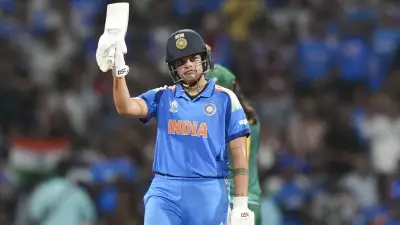
India's players executed a well-planned strategy, showcasing skills tailored to contemporary T20 norms. Their batting lineup attacked from the outset, building a formidable total that Pakistan struggled to chase. Key performances included:
- Aggressive opening partnerships that set a rapid pace.
- Strategic use of spinners in the middle overs to stifle Pakistan's response.
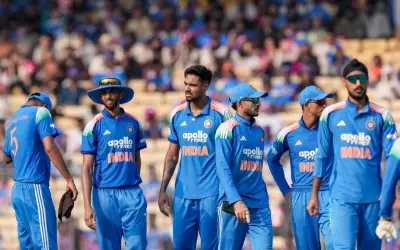
- Sharp fielding that created pressure and led to crucial wickets.
This comprehensive display not only secured victory but also served as a stark reminder of the evolutionary leaps in T20 tactics since 2010.
Implications for Pakistan's Cricket Future
The loss has sparked debates within Pakistan's cricket community about the need for systemic changes. Critics argue that clinging to outdated models hampers competitiveness against top teams like India, who continuously innovate. Suggestions for improvement include:
- Revamping coaching methodologies to incorporate modern analytics.
- Encouraging younger players with adaptable skillsets.
- Investing in domestic T20 leagues to foster contemporary strategies.
Without such adjustments, Pakistan risks falling further behind in the fast-paced world of international T20 cricket.
In summary, India's victory was more than just a win; it was a reality check that underscored the importance of evolution in sports. As T20 cricket progresses, teams must shed antiquated approaches to remain relevant, a lesson Pakistan is now forced to confront head-on.