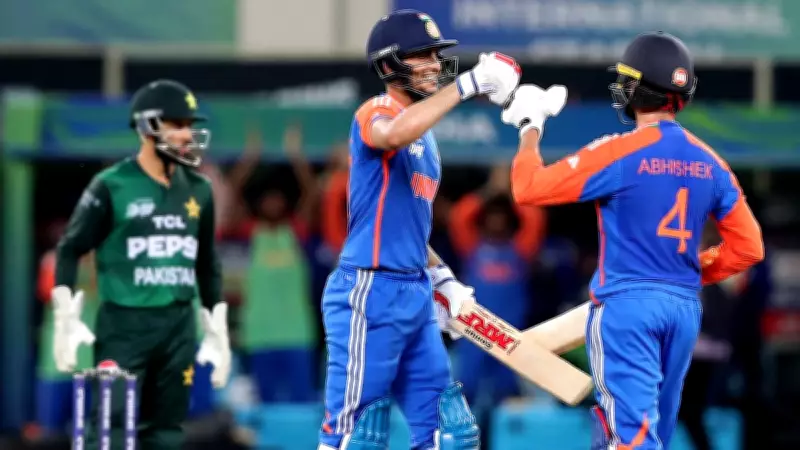
The International Cricket Council has taken a firm stance against the Pakistan Cricket Board, issuing a clear warning about potential consequences should Pakistan follow through with its threatened boycott of the marquee India match during the upcoming T20 World Cup 2026.
Government Permission with Conditions
While the Pakistani government has officially granted permission for its national cricket team to participate in the prestigious T20 World Cup tournament scheduled for 2026, this approval comes with a significant condition. The government has explicitly stated that the Pakistani team will boycott the highly anticipated league stage match against arch-rivals India, creating a major controversy in international cricket circles.
ICC's Strong Response
The International Cricket Council has responded decisively to this development, taking the Pakistan Cricket Board to task over the proposed boycott. Cricket's global governing body has warned PCB officials about serious repercussions that could follow if Pakistan proceeds with this controversial decision.

The ICC's position is clear: all participating nations must fulfill their tournament commitments, including scheduled matches against all opponents. The council views any selective participation or boycott as a violation of tournament regulations and the spirit of international cricket competition.
Potential Consequences
While the ICC has not specified exact penalties, sources indicate several potential repercussions Pakistan could face:
- Financial penalties that could significantly impact PCB's revenue
- Possible point deductions or match forfeiture declarations
- Future tournament participation restrictions
- Damage to Pakistan's standing in international cricket governance
Historical Context of India-Pakistan Cricket Relations
This development occurs against the backdrop of longstanding political tensions between India and Pakistan that have frequently spilled over into sporting events. India-Pakistan cricket matches are among the most watched sporting events globally, generating massive television audiences and substantial revenue for cricket boards and broadcasters.
The proposed boycott threatens what is traditionally the tournament's most anticipated match, potentially affecting:
- Tournament scheduling and format
- Broadcast rights and advertising revenue
- Fan engagement and global viewership numbers
- The competitive integrity of the tournament
PCB's Dilemma
The Pakistan Cricket Board finds itself in a difficult position, caught between government directives and international cricket obligations. While the board must respect its government's foreign policy decisions, it also faces contractual obligations to the ICC and the broader cricket community.
This situation highlights the complex intersection of sports, politics, and international relations that has characterized India-Pakistan cricket encounters for decades. The PCB must now navigate these challenging waters while considering both diplomatic relations and its standing in world cricket.
Looking Ahead to 2026
As the 2026 T20 World Cup approaches, all eyes will be on how this situation develops. The ICC's warning represents a significant escalation in what could become a major controversy affecting one of cricket's premier global tournaments.
Cricket fans worldwide hope for a resolution that preserves the tournament's integrity while respecting the complex political realities between these neighboring nations. The coming months will likely see intense negotiations between the ICC, PCB, and relevant government authorities to find a solution acceptable to all parties involved.