The International Cricket Council has made a landmark decision to expand the Women's ODI World Cup, announcing that the 2029 edition will feature ten teams instead of the traditional eight. This progressive move comes as a direct response to the growing global popularity and competitive standards of women's cricket.
Building on 2025 World Cup Success
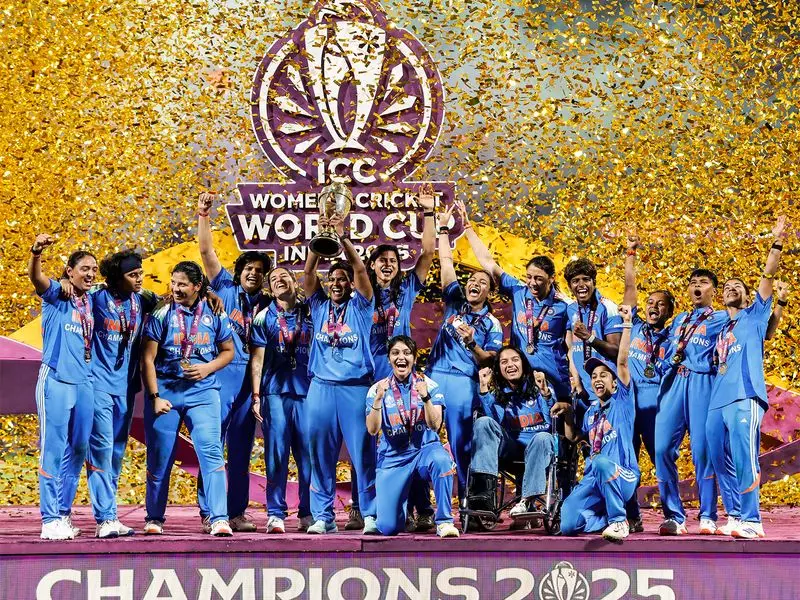
The ICC's decision follows the anticipated success of the upcoming 2025 Women's Cricket World Cup in India, which will maintain the eight-team format but serve as a springboard for future expansion. The 2029 tournament will mark a significant milestone as the first Women's ODI World Cup to include ten competing nations, providing more opportunities for associate members and developing cricket nations.
This expansion represents the ICC's commitment to accelerating the growth of women's cricket worldwide. By increasing participation, the council aims to create a more inclusive global tournament that showcases the sport's expanding talent pool and attracts broader international viewership.
Comprehensive Tournament Schedule Unveiled
The ICC has revealed an extensive lineup of women's international tournaments stretching through 2031, demonstrating their long-term investment in the women's game. The schedule includes eight ICC events over an eight-year cycle, ensuring consistent high-level competition and regular showcase opportunities for women cricketers.
Following the 2025 World Cup in India, the women's cricket calendar features the 2026 T20 World Cup in England, the 2027 ODI World Cup (host to be determined), the 2028 T20 World Cup in Australia, and the expanded 2029 ODI World Cup. The cycle continues with the 2030 T20 World Cup in Bangladesh and concludes with the 2031 ODI World Cup in South Africa.
Strengthening Global Cricket Infrastructure
This strategic expansion aligns with the ICC's broader vision of making cricket a truly global sport. The inclusion of two additional teams in the 2029 World Cup will encourage more countries to invest in their women's cricket programs, knowing there are more opportunities to compete at the highest level.
The decision reflects the rapid development and professionalization of women's cricket in recent years. With higher standards of competition, improved training facilities, and increased media coverage, the women's game has demonstrated its capacity to sustain a larger World Cup format while maintaining competitive integrity.
This expansion also creates a more balanced pathway for emerging cricketing nations, potentially including teams like Thailand, Netherlands, Scotland, and Zimbabwe, who have shown promising development in their women's cricket programs in recent years.