ICC Grapples with Pakistan's Boycott Threat for India Match in T20 World Cup 2026
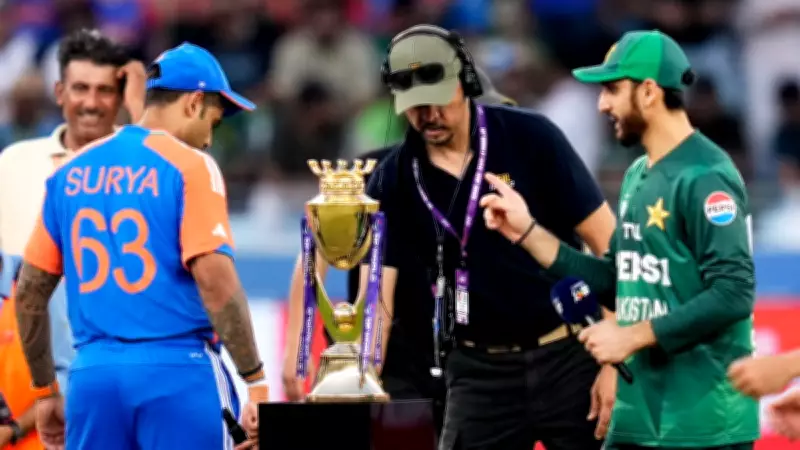
The International Cricket Council (ICC) finds itself in a complex situation as Pakistan has hinted at boycotting their highly anticipated clash against India in the upcoming T20 World Cup 2026. This potential move has sparked widespread debate within the cricketing community, with the ICC now forced to evaluate its options and the broader implications for the tournament's structure and spirit.
Understanding the Context of the Boycott Threat
Reports suggest that Pakistan's consideration of boycotting the India match stems from ongoing political and diplomatic tensions between the two nations. Historically, cricket matches between India and Pakistan have been marred by similar controversies, but a boycott in a global event like the T20 World Cup would set a significant precedent. The ICC, as the governing body, must navigate these sensitive issues while upholding the principles of fair play and sportsmanship.
Potential Actions the ICC Could Take
If Pakistan proceeds with the boycott, the ICC has several courses of action at its disposal. These include:

- Financial Penalties: Imposing hefty fines on the Pakistan Cricket Board (PCB) for failing to fulfill their tournament commitments.
- Points Deduction: Awarding the match to India by default, which could impact Pakistan's standing in the tournament and their chances of advancing to the knockout stages.
- Suspension Threats: Issuing warnings or even temporary suspensions from future ICC events, though this is considered a more extreme measure.
- Diplomatic Mediation: Engaging in behind-the-scenes discussions to resolve the dispute amicably, possibly involving neutral parties or cricket diplomats.
Impact on the T20 World Cup 2026
A boycott by Pakistan would not only affect the bilateral rivalry but also have broader consequences for the T20 World Cup 2026. Key areas of concern include:
- Tournament Integrity: The absence of such a high-profile match could diminish viewer interest and commercial revenue, potentially undermining the event's success.
- Fan Disappointment: Millions of cricket enthusiasts worldwide eagerly await India-Pakistan encounters, and a boycott would lead to significant disappointment and backlash.
- Precedent Setting: Allowing a boycott could encourage other nations to take similar actions in future tournaments based on political disagreements, threatening the unity of international cricket.
Historical Precedents and Lessons
This is not the first time cricket has faced such challenges. Past incidents, such as boycotts during the Cold War era or more recent tensions, offer valuable lessons. The ICC has historically preferred diplomatic solutions over punitive measures, but the scale of the India-Pakistan rivalry might necessitate a firmer stance to maintain the sport's global appeal and integrity.
As the situation unfolds, stakeholders are closely monitoring the ICC's response. The governing body must balance enforcing rules with fostering a spirit of cooperation, ensuring that cricket remains a unifying force rather than a platform for political discord. The outcome of this dilemma could shape the future of international cricket tournaments for years to come.