ICC Tightens Grip on PCB Over Force Majeure Justification for India Boycott
The International Cricket Council (ICC) has escalated its scrutiny of the Pakistan Cricket Board (PCB), demanding a detailed explanation on how the Force Majeure clause can be legitimately invoked to justify Pakistan's refusal to play against India in the ongoing T20 World Cup. This development follows the PCB's official communication to the ICC, citing the clause and attributing the boycott decision to the Pakistani government's stance.
Background of the Boycott Decision
After Bangladesh was removed from the T20 World Cup 2026, Pakistan expressed solidarity with their neighbors by announcing a boycott of the match against India scheduled for February 15 in Colombo. However, the PCB clarified that Pakistan would continue to participate in all other tournament matches. In response, the ICC has formally questioned the PCB, asking the board to justify pulling out of a single fixture while committing to the rest of the competition.
A source revealed to HT, "The PCB did officially communicate its stance to the ICC and cited Force Majeure as the reason for boycotting the game against India. They have now been asked to justify how the clause applies in this specific case. Discussions between the two parties have begun."

ICC's Detailed Inquiry and Legal Implications
Based on reports, the ICC has requested a comprehensive explanation from the PCB and outlined the specific conditions under which the Force Majeure clause can be invoked on a legitimate basis. The source added, "The PCB has been informed that there must be a solid and legally sustainable reason to refuse participation in a single fixture. The repercussions have also been communicated should the board choose not to play and fail to provide a valid justification."
Understanding Force Majeure
Force majeure is a contractual provision that excuses a party from fulfilling its obligations due to extraordinary events beyond its control, such as war, natural disasters, government actions, or public emergencies. For the clause to apply, the affected party must demonstrate that the event was unforeseeable, unavoidable, and that all reasonable steps were taken to mitigate its impact. Mere inconvenience or political preference does not typically satisfy these criteria.
Sri Lanka Cricket's Financial Concerns
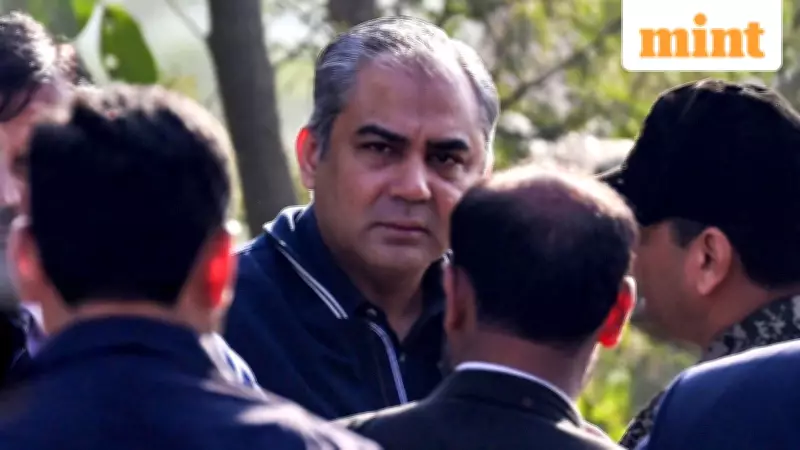
In a related development, Sri Lanka Cricket (SLC) has also written to the PCB, urging them to reconsider the boycott decision. SLC's request stems from concerns over significant financial losses due to the absence of the high-profile India vs. Pakistan clash. A source quoted by PTI stated, "Mohsin Naqvi has been contacted directly by the Sri Lankan Board President Shammi Silva and been reminded that at this time Sri Lanka need Pakistan to step up for them as without Pakistan and India matches, the Sri Lankan Board would stand to lose extra revenues from gate money, hospitality sales, etc."
In response, PCB chairman Mohsin Naqvi assured his counterpart, Shammi Silva, that he would consult the Pakistani government and provide a follow-up response. This situation highlights the broader implications of the boycott, extending beyond bilateral tensions to affect the financial stability of other cricket boards involved in the tournament.