Hardik Pandya Sits Out Rajkot ODI as India Manages Player Workload
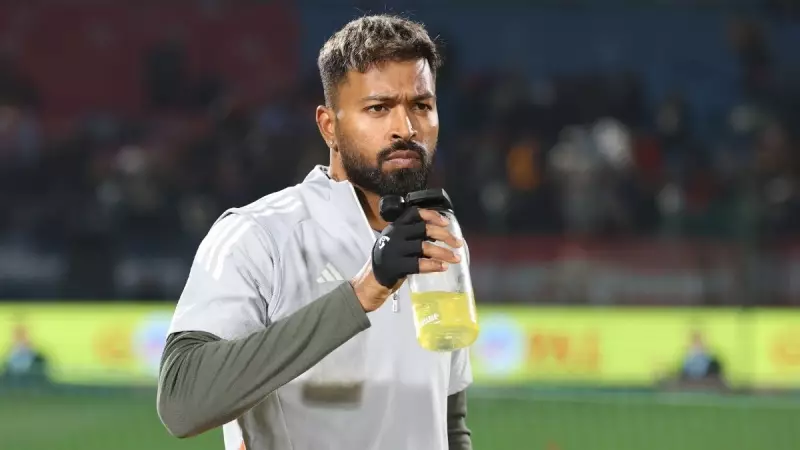
Indian cricket fans received some surprising news today. Star all-rounder Hardik Pandya will not play in the second ODI against New Zealand in Rajkot. The team management made this decision to give him a much-needed rest.
Official Statement from Team Management
The Board of Control for Cricket in India (BCCI) released a brief statement. They confirmed Hardik Pandya's absence from the upcoming match. Workload management is the primary reason behind this move. The team wants to keep its key players fresh for the long season ahead.
This is not an unusual practice in modern cricket. Teams often rotate players to prevent injuries. Hardik Pandya plays a crucial role in all three formats of the game. He also leads the T20I side. Managing his fitness is a top priority for the Indian think tank.

Impact on Team Composition
Hardik Pandya's absence will force some changes in the playing eleven. The team might bring in another all-rounder or adjust the batting order. Captain Rohit Sharma will have to rethink his strategy for the Rajkot game.
The first ODI saw a thrilling contest. India will aim to continue their momentum without one of their main players. The pitch in Rajkot is known to be batting-friendly. This could influence the team's final selection.
Fan Reactions and Expert Opinions
Social media platforms are buzzing with discussions. Some fans express disappointment at not seeing Hardik Pandya in action. Others support the decision, emphasizing the importance of player health.
Cricket experts largely back the management's call. They point to Hardik Pandya's recent injury history. A short break now could help him stay fit for major tournaments later this year.
Looking Ahead
The Indian team remains confident despite this change. They have a strong bench with capable replacements. The focus now shifts to the Rajkot ODI. Fans eagerly await to see how the team performs in Hardik Pandya's absence.
This move highlights a growing trend in international cricket. Teams are becoming more proactive about player workload. It reflects a shift towards long-term planning over short-term gains.