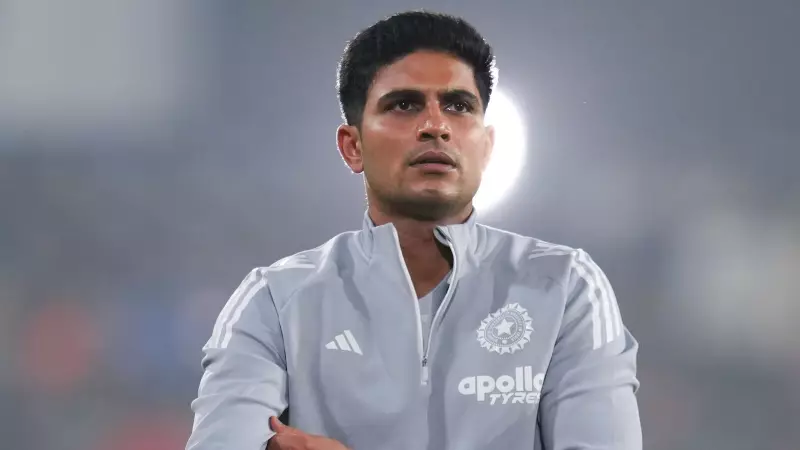
The selection of India's squad for the T20 World Cup 2026 has ignited a major discussion, with the omission of star batter Shubman Gill becoming the central talking point. This bold move by the selectors and team management is being viewed as a reflection of tactical clarity, prioritizing current T20 form over reputation.
The Snub That Sparked a Debate
Despite a phenomenal Test series in England, where he amassed 754 runs including multiple centuries while leading the side, Gill finds himself out of the T20 World Cup plans. The decision underscores a critical principle in modern cricket: success in the longest format does not automatically translate to the shortest. Gill's recent T20 International record has been a concern, with the right-hander failing to register a single half-century in his last 18 innings. This lean patch had already raised questions about his place, keeping players like Sanju Samson on the bench.
Injuries and the 'Damage Control' Verdict
Compounding Gill's challenges have been recent neck and foot injuries, adding to the woes of the Indian T20I vice-captain. The selection committee recalled him to the T20I side over a year ago, largely on the back of his Test exploits. Former India cricketer Sanjay Manjrekar has been vocal in his analysis, calling Gill's omission a act of 'damage control' by the selectors.

"When you pick someone excitedly on Test performance for T20s, this is what happens. Gill omission is basically selectors rectifying a mistake they made when they got a bit carried away after the England tour," Manjrekar wrote on social media platform X.
A Reflection of Clear-Cut Thinking
This decision highlights a potentially new, more ruthless selection policy. Gill, who is the captain in Test and ODI formats, has not been afforded a free pass in the T20 setup. The selectors appear to be drawing a clear line between formats, choosing to back specialists and players in peak T20 form for the global tournament. The move signals that past achievements in one format will not guarantee a ticket to a World Cup in another, emphasizing the need for role-specific performance.
The squad selection ultimately points towards a strategy focused on building a team tailored for T20 success, even if it means making tough calls on established names. It sets a precedent that current form and format-specific utility are paramount in the high-stakes environment of world cricket.