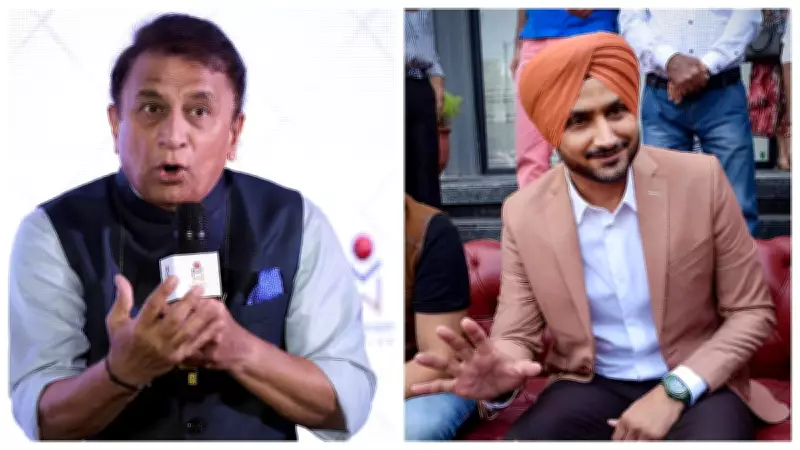
Gavaskar and Harbhajan Call for ICC Action Over Pakistan's T20 World Cup Boycott
In a significant development that has sent shockwaves through the cricketing world, Pakistan's government has decided against granting permission for its national cricket team to play the highly anticipated T20 World Cup match against India in Colombo. This decision, which comes without any official reason being provided, is being widely interpreted as a gesture of solidarity with Bangladesh, adding a complex political dimension to the sporting event.
Legendary Cricketers Voice Strong Criticism
Indian cricket icons Sunil Gavaskar and Harbhajan Singh have publicly slammed Pakistan's move, urging the International Cricket Council (ICC) to take decisive action. Gavaskar, known for his forthright opinions, emphasized that such boycotts undermine the spirit of the game and set a dangerous precedent for international cricket tournaments.
Harbhajan Singh echoed these sentiments, stating that the ICC should not tolerate political interference in sports. He argued that the boycott not only disappoints millions of cricket fans worldwide but also disrupts the competitive balance of the T20 World Cup, where every match is crucial for team standings and tournament integrity.

The Context and Implications of the Boycott
The boycott decision, announced on February 2, 2026, has sparked widespread debate and speculation. While no formal explanation has been issued by Pakistani authorities, analysts suggest it may be linked to broader geopolitical tensions or symbolic support for Bangladesh, though the exact motivations remain unclear.
This incident raises important questions about the intersection of politics and sports, particularly in high-stakes events like the T20 World Cup. The match between India and Pakistan is traditionally one of the most-watched and emotionally charged fixtures in cricket, drawing global attention and significant commercial revenue.
Potential Consequences and ICC's Role
Gavaskar and Harbhajan have highlighted several potential consequences of Pakistan's boycott:
- Impact on Tournament Fairness: The absence of Pakistan could affect the points table and qualification scenarios for other teams.
- Financial Repercussions: Broadcasters and sponsors may face losses due to the cancellation of a marquee match.
- Fan Disappointment: Supporters from both nations and around the world are deprived of a classic cricketing rivalry.
They have called on the ICC to review the situation and consider appropriate measures, which could include penalties or sanctions to discourage future boycotts. The ICC's response will be closely watched, as it may set a benchmark for handling similar incidents in international cricket.
Looking Ahead: The Future of India-Pakistan Cricket Relations
This boycott adds another layer of complexity to the already strained cricketing relations between India and Pakistan. Historically, bilateral series have been rare due to political tensions, and international tournaments often serve as the only platform for these encounters.
The T20 World Cup incident underscores the need for clearer protocols and stronger governance from cricketing bodies to insulate sports from political disputes. As the cricketing community awaits further developments, the focus remains on ensuring that the game's spirit and competitiveness are preserved above all else.