






Politics

Supriya Sule says she will never contest against any Pawar family member again
NCP (SP) leader Supriya Sule announced she will never contest elections against any Pawar family member. Sunetra Pawar welcomed the statement, hoping to avoid future Pawar vs Pawar contests.





World

Slovak PM Fico Mocks EU Leaders Over Putin Talks, Defies Backlash
Slovakia's PM Robert Fico publicly ridicules European leaders for avoiding direct talks with Putin while secretly seeking insights from his Moscow visit, escalating EU tensions.



Entertainment
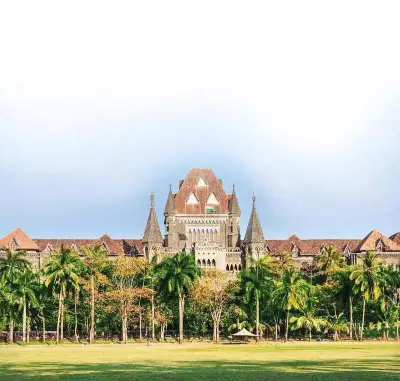
Bombay HC Quashes FIR Over 'Ya Allah! Rasgulla!' Dialogue, Warns Against Misusing Criminal Law
Bombay High Court quashed a 2010 FIR against actors Shekhar Suman and Bharati Singh for a comedy dialogue, ruling no intent to hurt religious sentiments and cautioning against casual invocation of criminal law.



Business

IT Analyst Arrested for Stealing 23 Laptops Worth Rs 8 Lakh from Pune Firm
An IT analyst was arrested for stealing 23 laptops worth Rs 8 lakh from a multinational food packaging firm in Chakan MIDC, Pune, over two years. CCTV footage led to his confession.






Lifestyle





Technology

Retired professor loses Rs 1.04 crore in digital arrest scam
An 82-year-old retired professor in Bilaspur was held hostage for a week by cyber fraudsters who accused her of terror funding, drained her life savings of Rs 1.04 crore, and demanded another Rs 50 lakh.

Haryana Woman Rescued from Akola Man Met on Gaming App
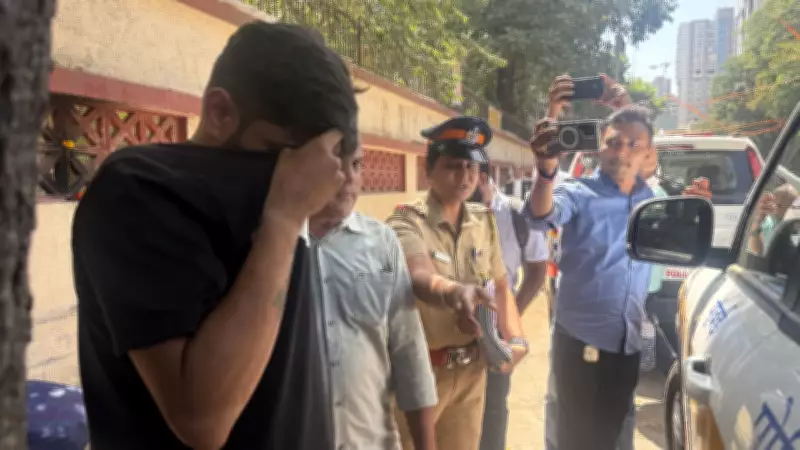
A young woman from Haryana was rescued in Akola after being confined for five days by a married man she met on a gaming platform. The accused used a fake profile.

App Cabs Inside Nagpur Station from Friday
Nagpur railway station will allow app-based cabs inside premises from Friday, ending auto-rickshaw mafia dominance and providing organized last-mile connectivity.

Simone Biles Weighs LA 2028 Return, Mental Health Key
Simone Biles says her return for the 2028 Olympics is 50-50, with mental health and timing being crucial factors. She also revealed spending $23,000 on event prep.
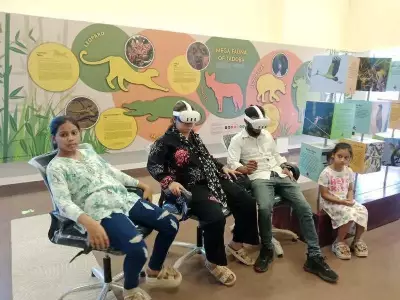
Tadoba Tiger Reserve Introduces VR Wildlife Experience
Tadoba-Andhari Tiger Reserve introduces a virtual reality wildlife film, offering tourists an immersive six-minute journey through its forests and seasons, while creating sustainable jobs for local youth.
