Finn Allen's Controversial Dismissal Against LSG Puts Umpires Under Scrutiny
The Indian Premier League 2026 match between Royal Challengers Bangalore and Lucknow Super Giants was marred by a significant umpiring controversy involving New Zealand batsman Finn Allen. The incident, which occurred during a crucial phase of the game, has reignited debates about the consistency and accuracy of decision-making in high-pressure T20 cricket.
The Contentious Catch That Divided Opinions
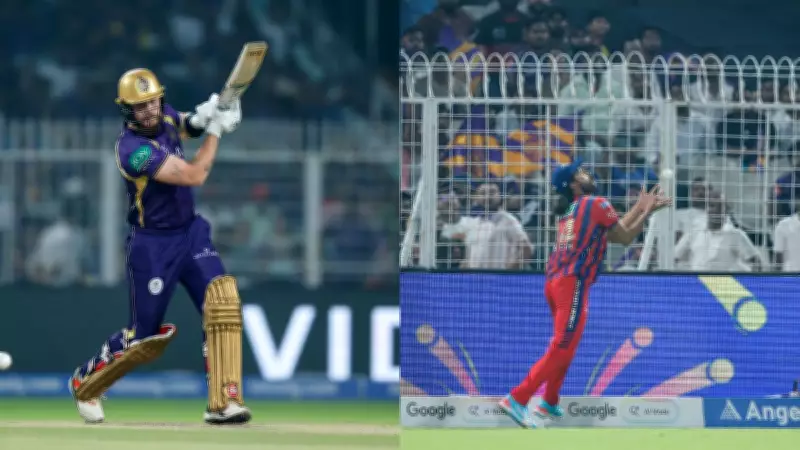
During RCB's innings, Finn Allen, who was looking to accelerate the scoring, played a shot towards the deep mid-wicket region. Lucknow Super Giants fielder Marcus Stoinis attempted a diving catch, claiming the ball cleanly. The on-field umpires immediately referred the decision to the third umpire for review, as is standard protocol for close catches.
After examining multiple camera angles in slow motion, the third umpire concluded that there was insufficient evidence to overturn the on-field soft signal of "out." This decision meant Allen had to depart, much to the visible frustration of the RCB camp and their supporters. However, replays broadcast later appeared to show that the ball might have made contact with the ground just as Stoinis completed the catch, casting doubt on the validity of the dismissal.

Technical Analysis and Rule Interpretation
Cricket's laws regarding catches state that the fielder must have complete control over the ball and that it cannot touch the ground at any point during the catching motion. The third umpire's role is to determine whether there is conclusive evidence to suggest the on-field decision was incorrect. In this instance, the available footage was deemed inconclusive, leading to the original "out" call being upheld.
Key aspects of the controversy include:- The angle of the cameras may not have provided a definitive view of the ball's contact with the ground.
- The speed of the catch and the fielder's body position made it challenging to ascertain complete control.
- Interpretation of what constitutes "conclusive evidence" varies among officials and experts.
Reactions from Teams and Experts
RCB captain Faf du Plessis expressed his disappointment in the post-match press conference, stating that such decisions can significantly impact the momentum of a game. "When you lose a key player in a tight situation, it changes the complexion of the match. We need more clarity on these protocols," he remarked.
Cricket analysts and former players have weighed in on social media and television panels. Many argued that the benefit of the doubt should go to the batsman in such marginal cases, while others defended the umpires' adherence to the existing review system. The incident has prompted calls for enhanced technology, such as ultra-motion cameras or ball-tracking sensors, to assist in these split-second judgments.
Broader Implications for IPL and Cricket
This is not the first time umpiring decisions have come under the microscope in the IPL, but the high-profile nature of Allen's dismissal has amplified the scrutiny. The league's governing body may review the incident to assess whether procedural improvements are needed. Consistency in decision-making across matches remains a critical concern for maintaining the tournament's integrity and competitive balance.
As technology evolves, cricket authorities worldwide face the ongoing challenge of balancing human judgment with technological aids. The Finn Allen controversy serves as a reminder that even with advanced review systems, subjective interpretations can lead to contentious outcomes that spark widespread debate among players, officials, and fans alike.