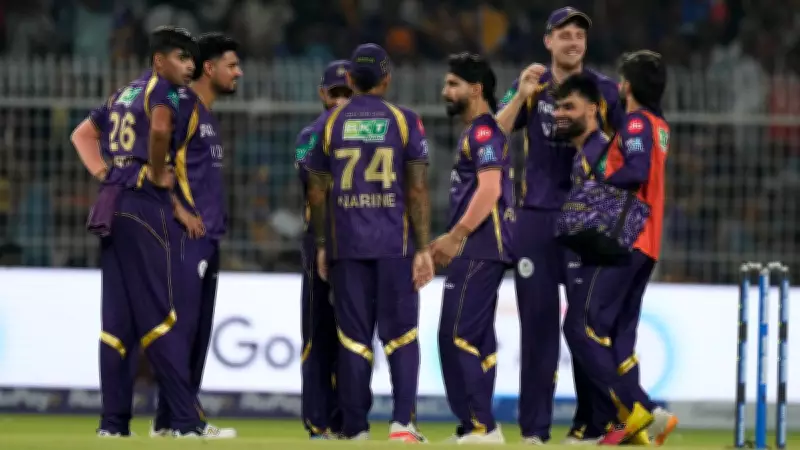
Former India Cricketer Advocates for KKR to Bench IPL 2026's Priciest Acquisition
A prominent former Indian cricketer has ignited a significant controversy in the cricketing community by publicly urging the Kolkata Knight Riders franchise to exclude their most expensive player from the IPL 2026 auction from the team's starting playing eleven. This bold recommendation stems from deep concerns over the player's recent on-field performances and the potential negative impact on the overall strategic balance of the KKR squad.
Performance Concerns Prompt Drastic Suggestion
The ex-India international, whose identity has been widely discussed in sports circles, pointed to a noticeable dip in the player's form and consistency as the primary justification for this drastic measure. According to the analysis presented, the high-profile acquisition has failed to deliver match-winning contributions that align with the monumental price tag secured during the intense auction process. This underperformance is viewed as a critical liability that could jeopardize KKR's campaign in the highly competitive IPL 2026 season.
The former cricketer emphasized: "When a player commands such an extraordinary sum at auction, the expectations are naturally sky-high. If the returns do not match the investment, it becomes a strategic imperative for the team management to reconsider their options. Loyalty to a price tag should never overshadow the fundamental goal of fielding the best possible eleven to win matches."

Team Balance and Financial Implications
Beyond individual performance metrics, the recommendation also highlights serious apprehensions regarding team composition and financial prudence. The substantial portion of the salary cap consumed by this single player restricts KKR's flexibility in bolstering other areas of the squad, such as batting depth, bowling variety, or fielding excellence. This financial strain could force the franchise to compromise on quality in other positions, creating an imbalanced team that struggles against well-rounded opponents.
The critique extends to the psychological dynamics within the dressing room, where the presence of an underperforming yet highly paid star might foster resentment or disrupt team harmony. In a tournament as grueling and high-pressure as the IPL, maintaining a cohesive and motivated unit is paramount for sustained success over the two-month-long season.
Potential Alternatives and Strategic Recalibration
The former cricketer proposed that KKR explore alternative combinations by promoting talented domestic players or utilizing more cost-effective international recruits who offer better value for money. This approach would not only alleviate salary cap pressures but also inject fresh energy and hunger into the lineup. The suggestion advocates for a performance-based selection policy where current form and contribution take precedence over past reputation or auction price.
This development has sparked intense debate among fans, analysts, and former players, with opinions divided on whether such a radical move is justified or premature. Supporters of the player argue that early-season struggles are common and that patience is required to allow for adjustment and peak performance. However, critics contend that in a results-driven league like the IPL, decisive action is often necessary to correct course before it is too late.
Broader Implications for IPL Franchises
The controversy underscores a recurring dilemma faced by IPL franchises: the tension between auction strategy and on-field execution. Investing heavily in a marquee player carries inherent risks, and this situation serves as a cautionary tale for team owners and management across the league. It reinforces the importance of comprehensive scouting, long-term planning, and the courage to make tough decisions when investments fail to yield anticipated dividends.
As the IPL 2026 season progresses, all eyes will be on KKR's team selection and whether the franchise heeds this high-profile advice. The outcome could set a precedent for how teams manage underperforming assets in future editions of the world's premier T20 league.