Shivam Dube's Quickfire Half-Century in Vain as India Succumb to 50-Run Defeat Against New Zealand
In a dramatic turn of events at the Dr YS Rajasekhara Reddy ACA-VDCA Cricket Stadium in Visakhapatnam, Shivam Dube's explosive batting display proved insufficient as India suffered a 50-run loss to New Zealand in the fourth T20I match on Wednesday, January 28, 2026. The defeat dashed India's hopes of securing a clean sweep in the series, highlighting a night of missed opportunities and unfortunate dismissals.
India's Batting Collapse Overshadows Dube's Heroics
The Indian innings got off to a disastrous start, with opener Abhishek Sharma falling for a golden duck on the very first ball. Captain Suryakumar Yadav followed soon after, managing only 8 runs, leaving the team in early trouble. Sanju Samson and Rinku Singh attempted to stabilize the innings with a partnership, but after Samson's departure, all-rounder Hardik Pandya failed to make an impact, scoring just 2 runs.
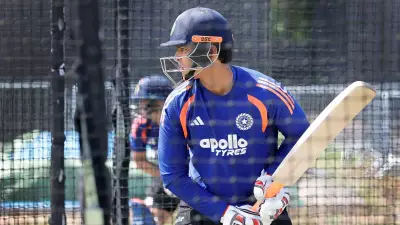
Amidst the crumbling wickets, Shivam Dube emerged as a beacon of hope, slamming a stormy 65 off just 35 balls. His innings included the third-fastest T20I half-century by an Indian, showcasing power-hitting and determination. However, his efforts were cut short by an unlucky run-out at the non-striker's end, a moment that shifted the momentum decisively in New Zealand's favor.

Following Dube's dismissal, the Indian batting lineup continued to lose wickets at regular intervals, ultimately being skittled out for 165 runs. The collapse underscored the team's reliance on individual performances and the lack of sustained partnerships in the chase.
New Zealand's Solid Batting Performance Sets the Stage
Earlier in the match, after India opted to field first, New Zealand posted a competitive total of 215 for seven, thanks largely to a blistering fifty from Tim Seifert. Seifert, fresh from the Big Bash League, scored 62 off 36 balls, hitting seven fours and three sixes. His aggressive start, including three consecutive fours off Arshdeep Singh and a six over long-on off Harshit Rana, set the tone for the innings.
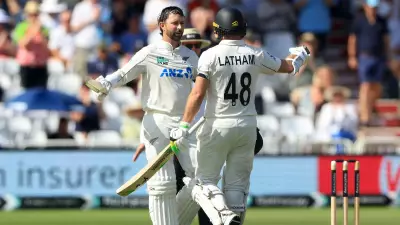
Devon Conway provided valuable support with a brisk 44, helping New Zealand reach fifty in the fourth over and end the Power Play at 71 for no loss. The opening partnership of 100 runs between Seifert and Conway put India on the back foot, although the home side's bowlers showed discipline in the middle overs to restrict the flow of runs.
Despite losing four wickets for 37 runs in a cluster, New Zealand managed to cross the 200-mark, with Daryl Mitchell's unbeaten 39 off 18 balls in the death overs proving crucial. Mitchell Santner's cameo was cut short by a direct throw from Hardik Pandya, but the Kiwis' total ultimately proved too much for India to chase down.
Key Takeaways and Series Implications
This match highlighted several critical aspects for both teams. For India, the batting fragility was exposed, with only Shivam Dube rising to the occasion amidst a top-order failure. The unlucky run-out of Dube served as a turning point, emphasizing the fine margins in T20 cricket.
New Zealand, on the other hand, demonstrated resilience and strategic batting, with Seifert and Conway laying a solid foundation. Their ability to recover from mid-innings wobbles and post a defendable total showcased their depth and experience.
The result means India missed a golden opportunity to complete a series sweep, while New Zealand salvaged pride and gained momentum heading into future encounters. The match also underscored the importance of partnerships and disciplined bowling in the shortest format of the game.
As the series concludes, both teams will reflect on this encounter, with India needing to address their batting consistency and New Zealand building on their positive performances. The thrilling contest in Visakhapatnam added another chapter to the storied rivalry between these two cricketing nations.