PCB Hands Down One-Year PSL Ban to Dasun Shanaka After Muzarabani Controversy
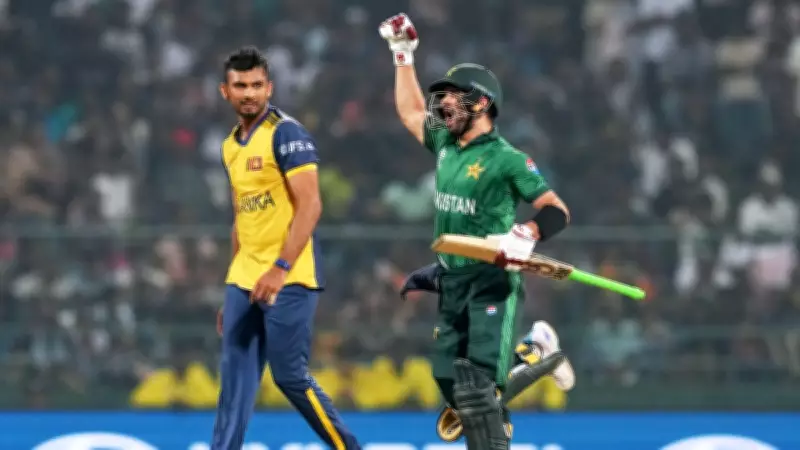
The Pakistan Cricket Board (PCB) has taken decisive action against Sri Lankan cricketer Dasun Shanaka, imposing a one-year ban from the Pakistan Super League (PSL). This stern penalty follows a thorough investigation into an incident involving Zimbabwean fast bowler Blessing Muzarabani, which sparked significant controversy within the cricketing community.
Details of the Incident and Investigation
The controversy unfolded during a recent PSL match, where Shanaka, known for his aggressive playing style, was involved in a heated exchange with Muzarabani. According to reports, the altercation escalated beyond typical on-field banter, leading to formal complaints and subsequent scrutiny by the PCB's disciplinary committee. The board conducted a detailed review, including video footage and testimonies from players and officials, before reaching its verdict.
The PCB stated that Shanaka's actions violated the league's code of conduct, emphasizing the importance of maintaining sportsmanship and respect among players. This incident has drawn attention to the pressures and tensions inherent in high-stakes T20 tournaments like the PSL.

Impact on Shanaka's Career and PSL Dynamics
This ban represents a significant setback for Dasun Shanaka, who has been a prominent figure in international cricket and a valuable asset in various T20 leagues. His absence from the PSL for the upcoming season will not only affect his personal earnings but also alter team strategies, as franchises often rely on experienced overseas players to bolster their squads.
For the Pakistan Super League, this decision underscores the PCB's commitment to upholding discipline and integrity. In recent years, the PSL has grown in stature, attracting top talent from around the world, and such measures are seen as crucial for preserving its reputation and competitive spirit.
Broader Implications for Cricket Governance
The PCB's move highlights the ongoing challenges in managing player conduct in modern cricket. With leagues becoming more intense and financially rewarding, incidents like these test the regulatory frameworks of cricket boards globally. This case may set a precedent for how similar situations are handled in other tournaments, potentially influencing policies on player behavior and disciplinary actions.
Fans and analysts have reacted with mixed emotions, with some supporting the ban as a necessary deterrent, while others question its severity. Regardless, the focus now shifts to how Shanaka will respond and whether this will prompt changes in his approach to the game.
As the cricketing world digests this news, the PCB's firm stance serves as a reminder that professionalism and respect remain paramount in sports, even amidst the fierce competition of leagues like the PSL.