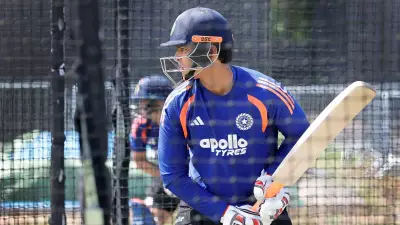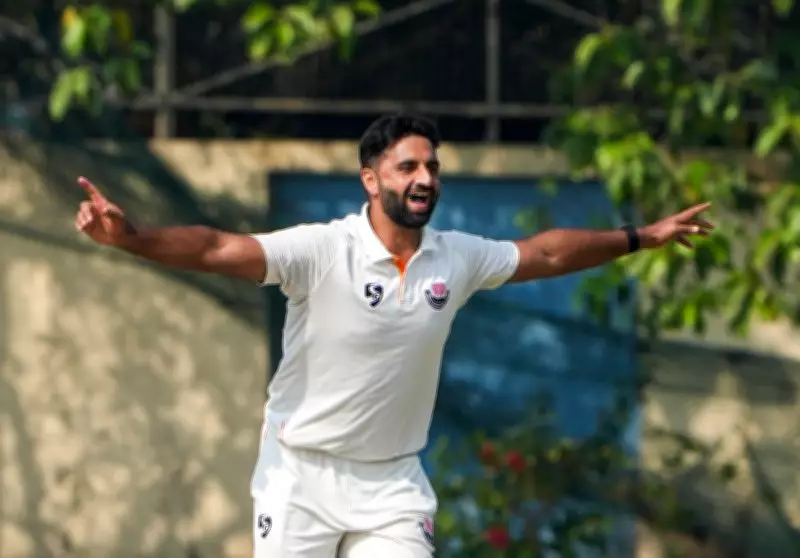
Cricket in Kashmir has long transcended sport, becoming a powerful medium for self-assertion in a region marked by discontent. The recent exclusion of Ranji Trophy's highest wicket-taker, Auqib Nabi, from the Indian team has sparked widespread dismay, echoing past grievances over the treatment of Kashmiri talent.
A History of Cricket and Identity in the Valley
For generations, cricket has been intertwined with Kashmiri identity. The image of a red ball striking a bat against the backdrop of the Zabarwan hills remains a nostalgic memory for many. Abdul Rauf, the first cricketing star from the Valley, ignited dreams with his explosive batting in the Ranji Trophy, lighting up a strife-torn landscape. Decades later, Parvez Rasool became the first home-grown Kashmiri to represent India, but by then the Valley had changed unrecognizably, with minorities forced to flee amid rising violence.
Parvez Rasool: A Symbol of Contradiction
When Parvez Rasool was selected for India in 2013, his hometown Bijbehara celebrated, but with ambiguity. To cheer for him was to acknowledge an Indian identity many were reluctant to embrace. His eventual exclusion after just two matches reinforced suspicions that Kashmiri talent is not judged on merit alone. As one observer noted, "His supporters wanted him to succeed because he was theirs. Whether they wanted India to succeed was a more complicated question."

Building Bridges Through Cricket
Despite these tensions, cricket has also offered evidence that mistrust need not be permanent. Legendary spinner Bishan Singh Bedi, initially viewed with suspicion as coach of Jammu and Kashmir, earned deep respect through his discipline and dedication. He laid the foundation for a competitive team, later built upon by coaches like Irfan Pathan. Under Ajay Sharma, Jammu and Kashmir achieved the unthinkable: winning their maiden Ranji Trophy title.
The Auqib Nabi Controversy
The recent omission of Auqib Nabi, who took the most wickets in the Ranji Trophy season, has reignited debates about fairness. Former cricketers Dilip Vengsarkar and Sanjay Manjrekar expressed shock, but such inconsistencies are not unknown in team selection. For Kashmiris, however, the decision carries deeper meaning, evoking memories of how Parvez was treated. As the article notes, "In a Valley marked by discontent, cricket has replaced football as a vehicle of self-assertion and identity."
A Larger Picture Ignored
The failure of the cricket establishment to see the larger picture is disquieting. A nation that prides itself on diversity cannot view such moments solely through the prism of cricketing logic. To invoke CLR James, "What do they know of cricket who only cricket know." The integration of Kashmir through sport requires sensitivity to the deep emotional and political currents at play.