From Sugarcane Fields to Cricket Pitches: India's New Sports Economy Emerges
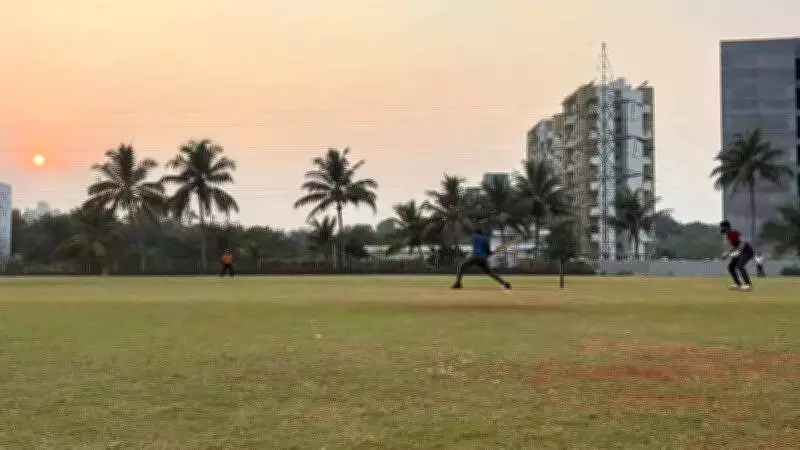
On the outskirts of India's bustling cities, where sugarcane once swayed in the monsoon winds, a different rhythm now echoes across open fields—the distinctive thud of leather on willow, accompanied by enthusiastic appeals and spontaneous applause. What was once agricultural land is being systematically transformed into carefully maintained turf wickets, marking a significant shift in both landscape and livelihood.
Cricket's Unlikely Employment Revolution
Cricket, long celebrated as India's most-watched sport, has quietly evolved into one of its most unexpected employment generators. Across urban centers including Bengaluru, Hyderabad, Delhi-NCR, Gurugram, Ghaziabad, Noida, and Pune, privately operated cricket grounds have emerged as thriving micro-industries. A single cricket facility today creates employment for scorers, umpires, groundsmen, turf managers, helpers, booking coordinators, coaches, photographers, caterers, and event staff. On match days, this economic activity extends to vegetable sellers, juice vendors, and small traders from nearby villages who find ready customers among players and spectators.
The primary driver of this transformation is corporate cricket—weekend tournaments organized by working professionals who pool resources to access quality wickets, certified umpires, and structured fixtures. What began as recreational activity has matured into a parallel sports economy with significant financial implications.

Digital Platforms and Agricultural Transformation
This burgeoning ecosystem is increasingly organized through digital platforms like CricHeroes, which connect grounds, organizers, players, and officials across multiple cities. For landowners with unproductive or low-yield agricultural plots, cricket has presented an unexpected alternative. Many farmers have either leased their land or converted it into fully operational cricket grounds, typically employing four to six local youths to manage daily operations.
"Earlier, I earned less than Rs 2 lakh annually growing sugarcane," revealed Samarth Bodke, a ground owner near Pune. "Initially hesitant due to my lack of cricket ground knowledge, today our annual income has exceeded Rs 10 lakh."
Similar transformations are occurring throughout peri-urban India. Data from CricHeroes, a global cricket scoring and networking platform with nearly 40 million users worldwide, indicates approximately 4,000 cricket grounds registered on its platform, offering a clear snapshot of how extensive private cricket infrastructure has become.
Regional Distribution and Employment Impact
Uttar Pradesh and Haryana lead among states in registered grounds, while Bengaluru and Hyderabad top district-level charts. Pune, with around 60 registered facilities, is rapidly catching up, with most venues fully booked throughout the cricket season from mid-October until monsoon arrival.
Each corporate-facing ground generates between six and twelve direct employment opportunities. During peak season from October to May, demand for freelance umpires and scorers increases dramatically, with many professionals working double shifts across multiple venues.
Infrastructure Access and Grassroots Opportunities
The impact extends beyond income generation to infrastructure accessibility. For decades, the scarcity of turf wickets presented a significant barrier for aspiring cricketers from modest backgrounds.
"Corporate cricket fundamentally changed that equation," explained Abhishek Sharma, former head coach at a cricket academy operated by former Indian cricketers Irfan and Yusuf Pathan. "The demand for turf wickets increased substantially. Youngsters who previously couldn't afford fees now work on these same grounds—cleaning nets, maintaining boundaries, scoring, or umpiring—through work-for-fee arrangements."
Exposure through corporate tournaments has created visibility for emerging talent. Young players serve as net bowlers, earn stipends, and occasionally attract sponsorships. Nineteen-year-old Abhi Gunjal from Pune, an aspiring fast bowler, now umpires corporate matches on weekends.

"My first match earned me Rs 1,000," he shared. "Now I earn Rs 3,000–4,000 over weekends. This helps purchase equipment and pay coaching fees. While umpiring, I also deepen my understanding of the game."
Corporate Cricket as Lifestyle and Economic Driver
For corporate participants, cricket has become integrated into structured lifestyles. Sumit Paul, a former state-level cricketer currently working as a Pune-based software engineer, plays weekend matches and practices late evenings after work.
"A weekend match costs Rs 14,000–18,000, covering wicket, umpires, scorers, and ball," he noted. "We pool resources. This keeps us physically fit and mentally refreshed for professional responsibilities."
This consistent demand has stimulated ancillary businesses. Cricket equipment sales have increased significantly, particularly tennis-ball bats used in corporate formats. "Post-Covid demand has surged dramatically," observed Ajay Gupta, a bat manufacturer from Meerut. "Southern India is driving much of this growth."
Night matches have additionally boosted demand for rented generators—equipment previously associated primarily with wedding events.
Platform-Driven Economic Transformation
Digital platforms are systematically organizing this ecosystem, converting informal cricket-related work into visible, compensated opportunities.
"Over one lakh individuals, predominantly grassroots players, have found employment through our initiatives," stated Abhishek Desai, founder of CricHeroes. "Corporate cricket has accelerated this ecosystem by creating sustained demand for umpires, scorers, groundsmen, and coaches."
Siddharth Desai of CricHeroes revealed platform data indicating grounds in Tamil Nadu and Delhi-NCR host the highest annual match volumes, supported by favorable weather conditions.
"Some grounds charge Rs 10,000 for three-hour T20 slots, while full-day bookings reach Rs 50,000," he explained. "In tier-2 and tier-3 cities, charges range between Rs 2,000 and Rs 5,000 per match, with volumes steadily increasing."
Community Impact and Economic Circulation
Industry observers note that expanding corporate participation is channeling resources deeper into cricket's foundation.
"Corporate cricket injects money into the sport that flows to local communities," emphasized Alok Jha, a Mumbai-based business consultant formerly associated with an IPL franchise. "This improves village grounds, enhances coaching quality, and creates genuine opportunities for talented children from remote areas."
Tournament organizers confirm these ripple effects. "We conduct eight weekend tournaments annually," shared Viresh Nyati, a Pune-based organizer. "Aspiring cricketers earn Rs 1,500–1,800 daily. Ground staff receive consistent work. Nearby villagers sell produce and food. Everyone benefits."
Sustainable Growth Through Professionalism
Some grounds are now reserved months in advance. In Kadus village, approximately 45 kilometers from Pune, ground owner Yogesh Dhyabar noted demand has surged only in recent years.
"We prioritize pitch quality and outfield maintenance," he emphasized. "Teams willingly pay premium rates when standards remain high."
Each ground typically requires at least five acres, with boundary dimensions comparable to international standards. Owners maintain that professionalism—rather than urban proximity—sustains demand.
As private cricket grounds continue proliferating across India, the sport's significance extends beyond runs and results. Methodically, wicket by wicket, cricket is constructing a new pitch economy—where livelihoods are shaped not merely by monsoon patterns, but by weekend fixtures, rolling schedules, and the organized rhythm of leather on willow.