Airfares to Colombo Skyrocket as Indian Cricket Fans Rush for India-Pakistan T20 World Cup Clash
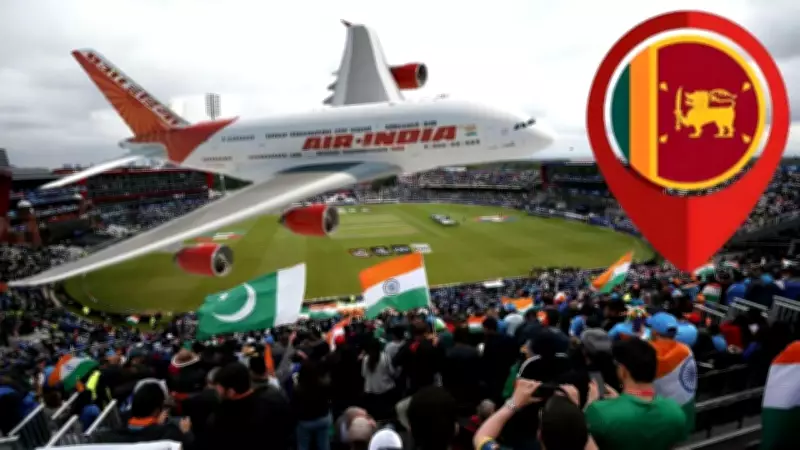
Airfares to Colombo have experienced a dramatic surge as Indian cricket fans scramble to secure last-minute travel arrangements for the highly anticipated India-Pakistan T20 World Cup match scheduled for Sunday. The uncertainty surrounding the fixture has now been resolved, triggering a massive rush for flights and accommodations in the Sri Lankan capital.
Booking Volumes Spike Following Fixture Confirmation
Travel bookings witnessed a significant spike after Pakistan rolled back its boycott stance around February 9-10, setting off an unprecedented surge in demand for flights and hotels in Colombo. According to Hari Ganapathy, cofounder of Pickyourtrail, booking volumes for February 12-16 have risen approximately 22% compared to a typical February weekend.
A substantial portion of these reservations came in over the past few days, highlighting the intense last-minute demand as fans adjusted their plans following the definitive reinstatement of the marquee fixture. Ganapathy emphasized that this pattern underscores how fixture certainty directly impacts travel behavior.

Flight and Hotel Demand Experiences Unprecedented Growth
Manjari Singhal, chief growth and business officer at Cleartrip, revealed that flight bookings during the tournament window have climbed over 20% compared to January baselines and non-event periods, with Colombo leading this remarkable surge. "Bookings to the city have surged by nearly 65%, especially around the marquee fixture—the India-Pakistan match," Singhal stated.
Hotel demand has also strengthened considerably, rising more than 35%, with travelers showing a clear preference for mid-range and premium properties. Singhal added that Colombo's excellent short-haul connectivity and Sri Lanka's visa-free access for Indian citizens have further facilitated spontaneous travel plans among cricket enthusiasts.
Airfare and Hotel Tariff Increases Detailed
Thomas Cook India reported substantial increases in last-minute round-trip fares to Colombo:
- Approximately Rs 50,000 from Chennai and Kochi
- Around Rs 70,000 from Mumbai
- Between Rs 90,000 and Rs 1 lakh from Delhi
Rajeev Kale, president of Thomas Cook India, confirmed that hotel tariffs, particularly at centrally located and upscale properties, have also been revised upward significantly. The strongest outbound demand originates from major Indian cities including Mumbai, Delhi, Chennai, Bengaluru, and Hyderabad, with Colombo receiving the bulk of bookings.
Travel experts have noted spill-over demand extending to nearby Sri Lankan destinations such as Galle and Kandy as fans seek alternative accommodations and experiences.
Extended Stays and Itinerary Trends Emerge
Travel firms are observing interesting patterns in fan itineraries. According to estimates by Pickyourtrail:
- Approximately 12% of travelers are opting for two- to three-night quick trips centered exclusively on the match
- More than 20% are converting their visit into extended holidays incorporating beach stays, nightlife experiences, and curated activities
SD Nandakumar, president of SOTC Travel, told ET that many fans traveling specifically for the cricket match are adding nearby beach destinations and leisure activities to their plans, transforming what might have been a brief sporting excursion into a comprehensive vacation experience.
Economic Impact of High-Profile Cricket Matches
Ravi Gosain, president of the Indian Association of Travel Operators, highlighted the unique economic dynamics created by India-Pakistan cricket matches. "India-Pakistan is one of the few matches that materially changes travel economics, even within a short window," Gosain explained.
He further elaborated that this scenario represents more of a high-margin opportunity than a pure volume play, with pricing power increasing sharply due to multiple factors:

- Short booking windows
- Limited flight inventory
- Restricted match ticket availability
- Exceptionally high emotional demand from passionate cricket fans
The combination of these elements creates a perfect storm in travel economics, demonstrating how major sporting events can dramatically influence regional tourism patterns and pricing structures within remarkably compressed timeframes.