Steve Bucknor Finally Acknowledges His Infamous Error in Sachin Tendulkar's 2003 Dismissal
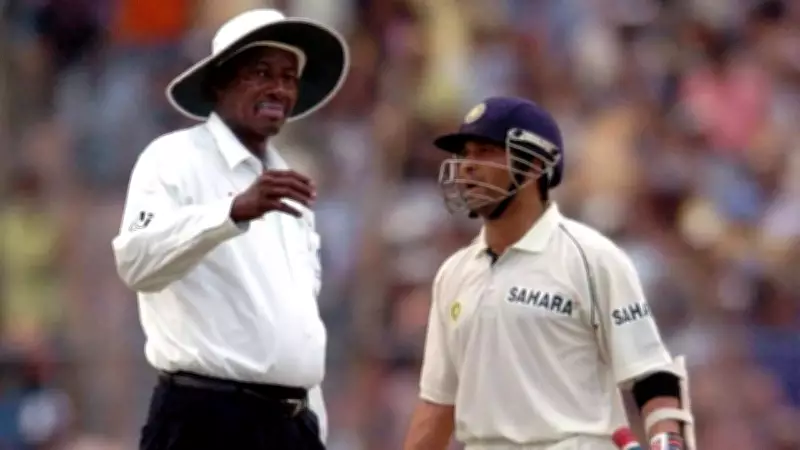
For younger cricket enthusiasts, the name Steve Bucknor might not resonate with the same intensity it does for older Indian fans. However, the West Indian umpire, now 79 years old, left an indelible mark on the sport, particularly through his contentious interactions with the legendary Sachin Tendulkar. Bucknor, one of the most respected officials of his era, officiated in over 120 Test matches and multiple World Cups, yet his legacy is often overshadowed by a series of controversial decisions against the Indian batting maestro.
The Brisbane Test Incident That Shocked the Cricket World
One of the most infamous moments occurred during the Brisbane Test between India and Australia in the 2003–04 series. Sachin Tendulkar, at the absolute peak of his illustrious career, faced a delivery from Jason Gillespie. Tendulkar attempted to leave the ball, but it struck his pads, prompting a loud and fervent appeal from Gillespie, Adam Gilchrist, and the entire Australian team. Umpire Steve Bucknor, with his characteristic calm demeanor, raised his finger, declaring Tendulkar out leg before wicket for a mere three runs in the first innings.
The dismissal sent shockwaves through the cricketing community. Tendulkar himself appeared stunned and disbelieving as he walked back to the pavilion. Legendary commentator Tony Greig did not mince words, calling it a "dreadful decision" live on air. Replays later confirmed what many suspected: the ball would have sailed well above the stumps, making Bucknor's call a glaring error that prematurely ended one of Tendulkar's most anticipated innings.

Bucknor's Long-Awaited Confession After Two Decades
Now, 22 years after that fateful day, Steve Bucknor has publicly admitted his mistake. In a recent interview with the West Indies Cricket Umpires' Association, the veteran umpire stated that Tendulkar should not have been given out because the ball was clearly missing the stumps. "Giving Sachin Tendulkar out leg before wicket, and it's a matter of knowing that it was a mistake, but until this day, every day, people talk about it," Bucknor revealed. "Why did I give him out? Was he out and so on? But then in life, mistakes happen. I have accepted that it was a mistake, and life goes on."
This confession serves as a validation for countless Indian cricket fans who have long argued that the decision was incorrect. It underscores the human element in umpiring, where even the most experienced officials can err under pressure, especially in high-stakes matches involving global superstars like Tendulkar.
Not an Isolated Incident: Bucknor's History with Tendulkar
The Brisbane Test was not the only occasion where Steve Bucknor's decisions left Sachin Tendulkar and his supporters bewildered. Two years later, in a match between India and Pakistan, a delivery from Abdul Razzaq passed Tendulkar's bat without any contact, yet Bucknor raised his finger following a relatively weak appeal. These incidents contributed to a complex and often frustrating dynamic between the umpire and the batsman.
Tendulkar himself humorously encapsulated this relationship during a Reddit Ask Me Anything session last year. When a fan inquired about Bucknor, Tendulkar quipped, "When I am batting, give him boxing gloves to wear (so he can't raise his finger)." This lighthearted remark highlights the lingering impact of those controversial calls on one of cricket's greatest players.
The Legacy of Umpiring Errors in Cricket's Narrative
Steve Bucknor's admission brings closure to a chapter that has been debated for over two decades. It also sparks broader conversations about the evolution of umpiring in cricket. In an era before the widespread adoption of technologies like the Decision Review System (DRS), such errors were more common and often irreversible, shaping match outcomes and careers.
Bucknor's career, spanning 120 Test matches and multiple World Cups, remains a testament to his skill and dedication, yet this confession reminds us that even the best are not infallible. For Indian fans, it reinforces the emotional investment in the sport, where a single decision can become etched in collective memory, fueling discussions for generations.