BCCI Unveils Ambitious Red-Ball Revival Strategy Amid Test Cricket Concerns
India's celebrated T20 World Cup victory earlier this year has failed to conceal a deepening crisis in the traditional format of the game. The national team's Test performances have experienced a significant downturn, and despite notable improvements in limited-overs cricket under head coach Gautam Gambhir, the red-ball structure continues to raise serious alarms.
Recent Setbacks Highlight Vulnerability
Recent home defeats to New Zealand and South Africa have starkly demonstrated that India is no longer invincible on its own soil. These losses have severely jeopardized the team's prospects of reaching the World Test Championship final, casting a shadow over the nation's Test cricket future.
Comprehensive Four-Day Tournament Initiative
Recognizing the urgency of the situation, the Board of Control for Cricket in India has initiated a fundamental reset of its long-term Test framework. According to reports from PTI, the Centre of Excellence, under the leadership of VVS Laxman, has implemented a detailed blueprint to reconstruct India's red-ball depth by concentrating on emerging talent.

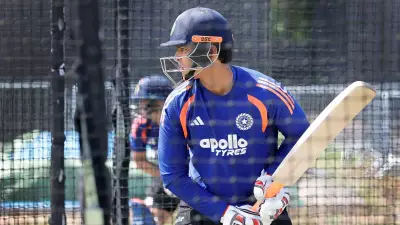
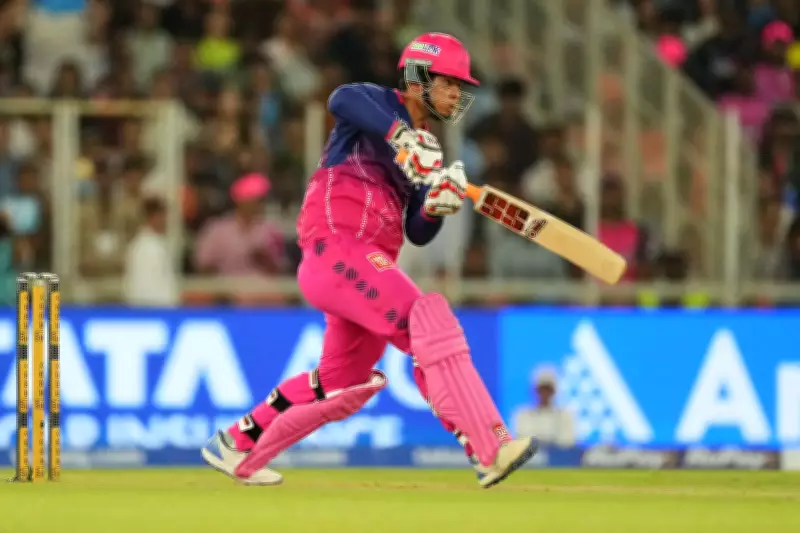
The cornerstone of this strategy is an innovative four-day intra-CoE competition scheduled throughout June and July. This tournament will showcase promising young cricketers including Ayush Mhatre and Vaibhav Sooryavanshi, featuring 64 players all under the age of 25.
Structured Player Development Framework
The participating players will be organized into four teams of 16 members each. Every squad will compete in two multi-day matches on diverse playing surfaces specifically designed to replicate various match conditions and challenges. The primary objective is to establish a consistent pipeline of red-ball specialists capable of serving Indian cricket effectively over the coming decade.
As part of this strategic shift, coaches and selectors have received explicit instructions to prioritize red-ball development during High Performance Camps in Bengaluru throughout the upcoming year.
Integrated Selection and Tour Planning
A BCCI source explained to PTI: "The India Emerging side will consist exclusively of U-25 players, who will also form the core of India A teams for shadow tours. The roadmap is being developed in close consultation with senior chairman of selectors Ajit Agarkar and head coach Gautam Gambhir."
The source further elaborated: "Following the conclusion of the IPL, both India U-19 and Emerging (U-25) squads will tour Sri Lanka for four-day matches. Selection for these tours will be based directly on performances in the Intra-COE tournament."
Addressing Specific Technical Deficiencies
India's Test difficulties, particularly their diminishing effectiveness against spin bowling even in home conditions, have served as a crucial catalyst for this comprehensive overhaul since Gambhir assumed leadership responsibilities. The newly implemented system is specifically engineered to address these technical gaps through sustained exposure to longer-format cricket.
Multi-Tiered Selection Process
The selection mechanism involves multiple layers of talent identification. The junior panel, led by S Sharath, will choose 25 players under the age of 23. Simultaneously, the senior selection committee will select another 25 players spanning both U-23 and U-25 categories based on their performances in premier domestic tournaments including:
- Ranji Trophy
- Vijay Hazare Trophy
- Syed Mushtaq Ali Trophy
with the specific condition that these players must not have participated in the IPL.
The remaining 14 positions will be allocated to players who featured in the IPL, including Mhatre, Sooryavanshi, and Sameer Rizvi, thereby completing the comprehensive 64-player pool.

Clear Strategic Direction
The BCCI source emphasized the organization's unambiguous focus: "The intention is to select 25 players following the intra-COE tournament, and this core group will represent both Emerging and India A teams in shadow tours. The BCCI leadership and Team India management are absolutely clear - even for U-19 cricketers, the emphasis for the next year must be exclusively on red-ball development."
This systematic approach represents Indian cricket's most determined effort in recent years to reverse the declining fortunes of its Test team, ensuring the traditional format receives the attention and resources necessary for sustained success on the global stage.