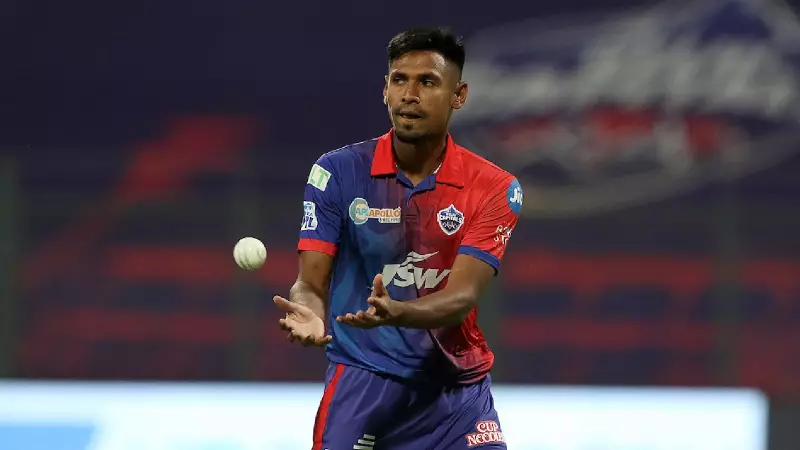
The Board of Control for Cricket in India (BCCI) has ignited a firestorm that extends far beyond the boundary rope. Its directive to the Kolkata Knight Riders (KKR) to release Bangladeshi pace sensation Mustafizur Rahman is being widely criticized not merely as a sporting misstep, but as a significant strategic error. This decision, perceived as weaponizing cricket to signal political displeasure, risks eroding India's soft power, reinforcing negative regional perceptions, and damaging a rare channel of people-to-people connection in South Asia.
The Perception Problem: India as Regional Hegemon
India already contends with a challenging perception in its immediate neighborhood. In countries like Nepal, Sri Lanka, Bangladesh, and Afghanistan, New Delhi is often viewed as a regional hegemon. While its diplomatic language may be measured, its actions are frequently interpreted as heavy-handed when dealing with smaller neighbors. The Mustafizur Rahman episode slots neatly into this existing narrative, offering a potent symbol of asymmetrical power.
From Dhaka's viewpoint, the message is stark: India holds the unilateral power to decide who participates in the world's most lucrative cricket league, the IPL. This action creates an optics problem where India appears cautious with stronger global powers but punitive towards neighbors with less leverage. Such inconsistency undermines moral credibility and sows seeds of resentment among the public, doing little to address the very real and urgent concerns regarding the safety of religious minorities in Bangladesh.

More Than a Cricketer: The Emotional and Cultural Cost
For Bangladesh, the impact is profoundly personal. Mustafizur Rahman is not just an athlete; he is a national icon. The pride of seeing Bangladeshi players shine in the IPL is immense. When that player represents Kolkata Knight Riders, the connection transcends sport. Shared language, culture, and history bind Kolkata and Bangladesh deeply. Playing for KKR symbolizes recognition and belonging. Removing Mustafizur under apparent political pressure is therefore seen as an emotional rupture, not a neutral administrative act.
This move risks repeating a historical mistake. India's experience with Pakistan serves as a cautionary tale. Nearly a generation has grown up without sustained sporting contact, leading not to moderation but to deeper alienation. By sidelining Bangladeshi players today, India may be hardening attitudes among a young population. When heroes are excluded for political reasons, resentment builds. This generalized anger rarely distinguishes between governments and citizens, potentially making minority communities more vulnerable, not less.
A Question of Principle or Power?
Defenders of the BCCI's action argue that extraordinary measures are needed to protest violence against minorities. However, this argument falters under scrutiny. Indian-origin communities have faced grievous violence in other nations, including the horrific killing of a Hindu man in Texas and the death of an Indian student in Seattle. Yet, India did not respond with sporting sanctions or economic pressure against the United States. The difference, critics point out, is not one of principle but of power. India shows restraint with stronger states and assertiveness with smaller neighbors—a dynamic that looks less like moral leadership and more like intimidation.
True accountability for violence must be sought through sustained diplomatic pressure and multilateral forums, directed at the Government of Bangladesh. It should not be imposed on individual athletes whose careers become collateral damage. The BCCI, a corporate behemoth with a record of strategic foresight—such as its support for Afghan cricket—knows that sport can be kept separate from politics when there is a will.

Cricket boards in South Asia are powerful non-state actors, and their decisions resonate widely. Soft power operates through attraction—via culture, cinema, and sport—not through coercion. The shared Bengali identity, the allure of the IPL, and the cultural bridge that Kolkata represents offer an influence that arm-twisting cannot replicate. Forcing Mustafizur Rahman out does not protect minorities or enhance India's moral standing. Instead, it deepens mistrust and shrinks the limited space for informal diplomacy in a fragile region. Turning cricket into a political weapon is not a display of strength; it is a myopic strategic blunder.