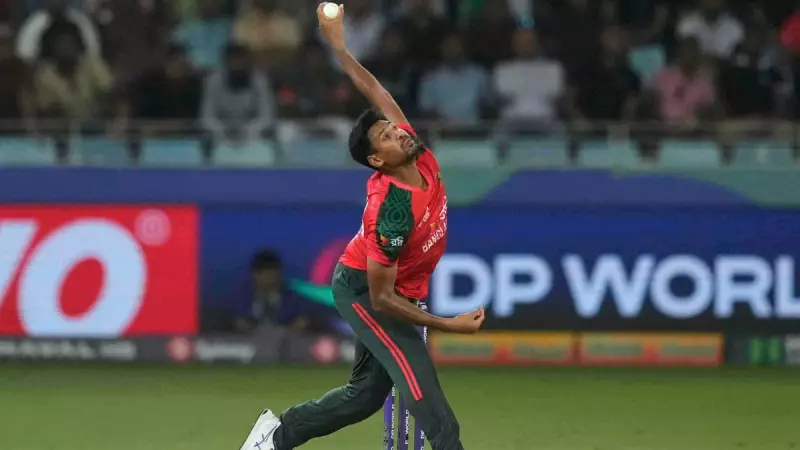
The Board of Control for Cricket in India (BCCI) has taken a significant step in an ongoing tussle with the Bangladesh Cricket Board (BCB). The Indian board has formally requested the Kolkata Knight Riders (KKR) franchise to release Bangladeshi pacer Mustafizur Rahman from their squad for the upcoming Indian Premier League (IPL) 2026 season.
The Core of the Conflict: Player Availability
This directive from the BCCI is not an isolated event but a direct consequence of a simmering disagreement over player availability. The central issue revolves around the Bangladesh Cricket Board's recent decision to refuse a No Objection Certificate (NOC) for their star players to participate in major franchise leagues, including the IPL, during specific windows.
The BCB's stance is reportedly linked to their desire to have key players like Mustafizur Rahman available for national duty and domestic tournaments. This policy has created a roadblock for Indian franchises that had invested in Bangladeshi talent during the auction. The BCCI's move to ask KKR to release Mustafizur is seen as a reciprocal measure, highlighting the board's firm position on ensuring its own league's schedule and team compositions are respected.

Impact on Kolkata Knight Riders and IPL 2026
For the Kolkata Knight Riders, this development poses an immediate strategic challenge. Mustafizur Rahman, known for his deceptive cutters and death-bowling skills, was a valuable asset in their bowling attack. His potential release forces the franchise's think-tank back to the drawing board to identify a suitable replacement bowler ahead of the 2026 season.
This situation also casts a shadow over the participation of other Bangladeshi cricketers in future IPL auctions. The BCCI's firm stance signals that access to the lucrative IPL may be contingent on reciprocal cooperation from other cricket boards regarding player releases. It establishes a precedent that could affect bilateral cricketing relations and the global franchise league ecosystem.
Broader Implications for International Cricket
The standoff between the BCCI and BCB transcends a single player or franchise. It touches upon the increasingly complex balance between international cricket, domestic leagues, and player commitments. National boards are fiercely protective of their prime assets, while T20 leagues around the world offer substantial financial incentives.
This incident underscores the growing power dynamics in world cricket, where the IPL, as the wealthiest and most prominent league, can leverage its position. The BCCI's action demonstrates its willingness to take decisive steps to protect the interests and integrity of its flagship tournament. The resolution of this "Bangladesh row" will be closely watched by other cricket boards and could set guidelines for future player-contract negotiations.
As of now, the ball is in the court of the Kolkata Knight Riders management to comply with the BCCI's request. The coming weeks will reveal how this diplomatic and sporting dispute unfolds and what it means for the future of cross-border player participation in the world's most famous cricket league.