BCCI Endorses ICC's Stance on Pakistan's Potential India Match Boycott
In a significant development, the Board of Control for Cricket in India (BCCI) has publicly backed the International Cricket Council's (ICC) decision to issue a warning to Pakistan concerning a potential boycott of matches against India. This move underscores the escalating tensions in cricket diplomacy between the two nations.
Rajeev Shukla's Statement on the Matter
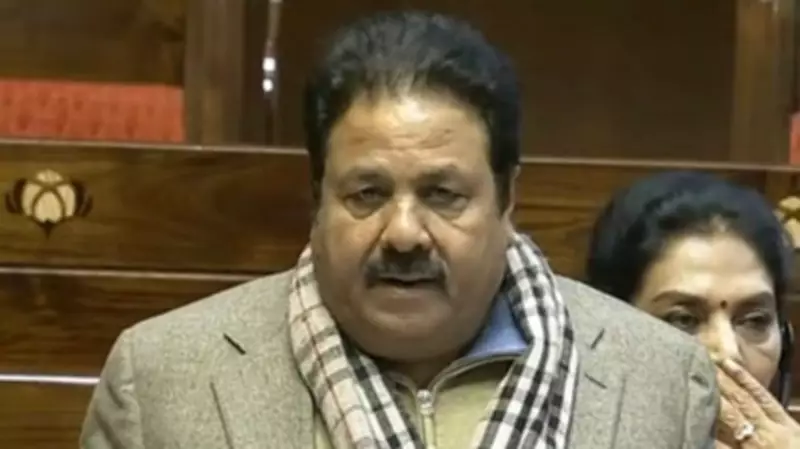
BCCI vice-president Rajeev Shukla confirmed the board's support for the ICC's action, emphasizing that the BCCI will refrain from making any additional statements until formal discussions are held with the ICC. Shukla highlighted that such decisions are crucial for maintaining the integrity and smooth functioning of international cricket tournaments, where India-Pakistan matches are often high-profile events drawing global attention.
The warning from the ICC comes amid ongoing political and diplomatic strains between India and Pakistan, which have occasionally spilled over into the sporting arena. This is not the first time that cricket has been affected by bilateral issues, with past instances including cancellations and security concerns impacting scheduled matches.

Implications for Future India-Pakistan Cricket Encounters
The ICC's intervention aims to prevent any disruptions to upcoming tournaments, including potential World Cup or bilateral series fixtures. By backing this warning, the BCCI signals its commitment to upholding cricketing norms and ensuring that sports remain separate from political conflicts. However, the situation remains fluid, as further developments depend on Pakistan's response and the outcome of ICC-BCCI talks.
Analysts note that boycotts could have severe financial and reputational repercussions for both boards and the ICC, given the massive viewership and revenue generated by India-Pakistan clashes. Fans worldwide eagerly anticipate these matches, making any boycott a contentious issue that could alienate supporters and sponsors alike.
- The BCCI's alignment with the ICC reinforces a unified front in addressing compliance issues among member nations.
- Rajeev Shukla's cautious approach reflects a strategic move to avoid escalating the situation prematurely.
- This incident highlights the ongoing challenges in managing cricket relations between India and Pakistan amid broader geopolitical tensions.
As the cricket community watches closely, the focus now shifts to how Pakistan will react and whether diplomatic channels can facilitate a resolution. The BCCI's stance, as articulated by Shukla, sets a precedent for handling such disputes within the framework of international cricket governance.