South Africa Captain Temba Bavuma Voices Concern Over No-Handshake Policy in Cricket
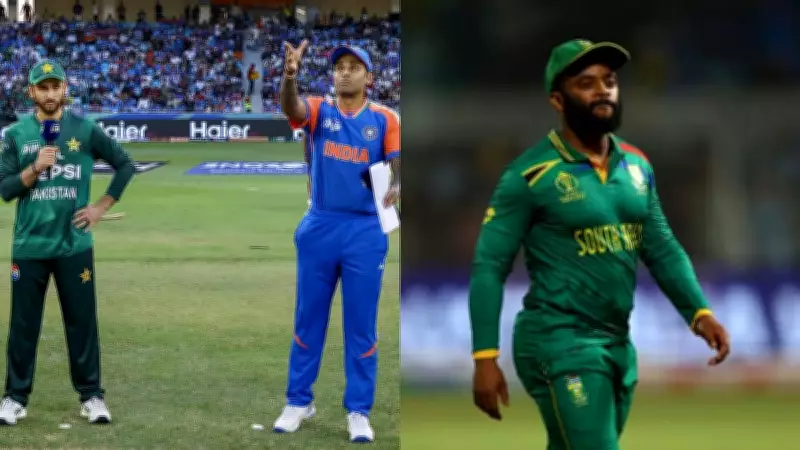
In a recent statement, South Africa's Test and ODI captain Temba Bavuma has raised significant concerns regarding the no-handshake policy observed by players during India-Pakistan cricket matches. Bavuma emphasized that such actions do not reflect well on the sport, which is traditionally regarded as a gentleman's game.
Bavuma's Stance on Cricket Etiquette
Temba Bavuma, a respected figure in international cricket, highlighted the importance of sportsmanship and camaraderie in the game. He pointed out that avoiding handshakes between players from India and Pakistan sets a negative precedent and undermines the spirit of cricket. According to Bavuma, this behavior detracts from the game's core values of respect and fair play.
"Cricket is a gentleman's game," Bavuma stated, "and actions like these do not look good for the sport." His comments come amid ongoing tensions and competitive rivalries in international cricket, particularly in high-stakes matches between India and Pakistan.

Impact on the Game's Image
The no-handshake policy has been a topic of discussion in cricket circles, with many experts and former players weighing in on its implications. Bavuma's remarks add to this dialogue, stressing that such practices can harm cricket's global image. He argued that maintaining traditional gestures of respect, like handshakes, is crucial for preserving the game's integrity and appeal.
Bavuma, who leads South Africa in both Test and ODI formats, has consistently advocated for positive conduct on and off the field. His leadership role gives weight to his opinions, making his critique of the no-handshake policy particularly noteworthy.
Broader Context in International Cricket
India and Pakistan have a long-standing cricketing rivalry, often marked by intense competition and political undertones. The avoidance of handshakes in recent matches has been seen by some as a reflection of these broader tensions. However, Bavuma's comments suggest that regardless of external factors, cricket should uphold its traditions of sportsmanship.
Other cricket nations, including South Africa, have generally maintained handshake rituals as a sign of mutual respect. Bavuma's stance reinforces this norm, encouraging players worldwide to prioritize the game's gentlemanly ethos.
As cricket continues to evolve, issues like player conduct and etiquette remain central to its identity. Bavuma's intervention serves as a reminder that while competition is fierce, the spirit of the game must not be compromised.