Bangladesh Cricket Team's T20 World Cup 2026 Participation Hangs in Balance
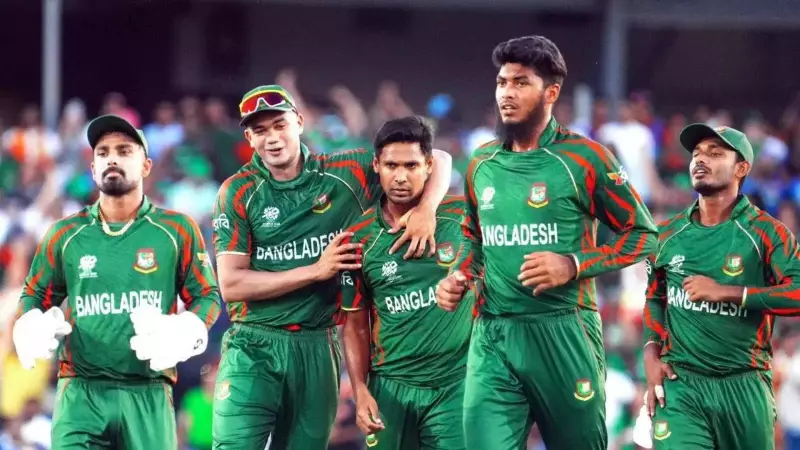
With the ICC T20 World Cup 2026 merely two weeks away, the participation of the Bangladesh cricket team remains shrouded in uncertainty. The Bangladesh Cricket Board (BCB) has taken a firm stance, declaring on Thursday that it will not send its national team to India under any circumstances. This announcement came after a crucial meeting in Dhaka involving the country's sports advisor and national team cricketers.
BCB's Defiant Stand and ICC Ultimatum
The BCB has squarely blamed the International Cricket Council (ICC) for denying them what they term as justice. This development follows the ICC's rejection of Bangladesh's request to shift their matches to co-host Sri Lanka. The global cricket governing body had already issued a 24-hour ultimatum to the BCB on Wednesday, intensifying the standoff between the two entities.
The entire cricketing fraternity now awaits the ICC's next strategic move. With Bangladesh's participation virtually ruled out due to their defiant position, the ICC must urgently activate its contingency plans for the prestigious tournament. The situation has escalated from a mere controversy to what many are calling a never-ending drama in international cricket circles.

Scotland Emerges as Frontrunner Replacement
In a significant development, Scotland has emerged as the leading contender to replace Bangladesh in the T20 World Cup 2026. The ICC is expected to make this replacement official in the coming days. While the BCB has remained steadfast in its refusal to travel to India—where Bangladesh was scheduled to play all three group matches in Kolkata and Mumbai—it has notably not formally withdrawn from the tournament, leaving a sliver of possibility for last-minute negotiations.
Roots of the Controversy
The current impasse traces its origins to tensions surrounding Mustafizur Rahman, the star Bangladesh pacer. The Board of Control for Cricket in India (BCCI) instructed Indian Premier League franchise Kolkata Knight Riders to release Rahman from their squad without providing specific reasons. This action occurred against the backdrop of growing diplomatic tensions between the two neighboring nations.
Bangladesh responded swiftly with two significant decisions:
- Refusing to send their cricket team to India for the T20 World Cup
- Banning the broadcast of the IPL within Bangladesh
Historical Precedents for Team Replacements
While the situation appears unprecedented, history reveals that team replacements in ICC tournaments are not without precedent. A decade ago, Australia withdrew from the 2016 ICC Under-19 World Cup in Bangladesh, citing security concerns. The ICC subsequently named Ireland as their replacement, with West Indies eventually winning the tournament in Dhaka.
Even earlier, the 2009 T20 World Cup in England witnessed Zimbabwe's withdrawal due to visa issues and political tensions. Scotland stepped in as the replacement team, and Pakistan went on to claim the championship at Lord's.
Implications for the Tournament
The ongoing tussle between the ICC and BCB over venue arrangements continues unabated. With the tournament's commencement imminent, a definitive resolution is expected shortly. However, the likelihood of the ICC altering the tournament schedule at this late stage appears minimal, given the logistical complexities involved in organizing a global sporting event of this magnitude.
The cricketing world now watches with bated breath as this high-stakes drama unfolds, potentially reshaping the competitive landscape of the T20 World Cup 2026 before the first ball is even bowled.