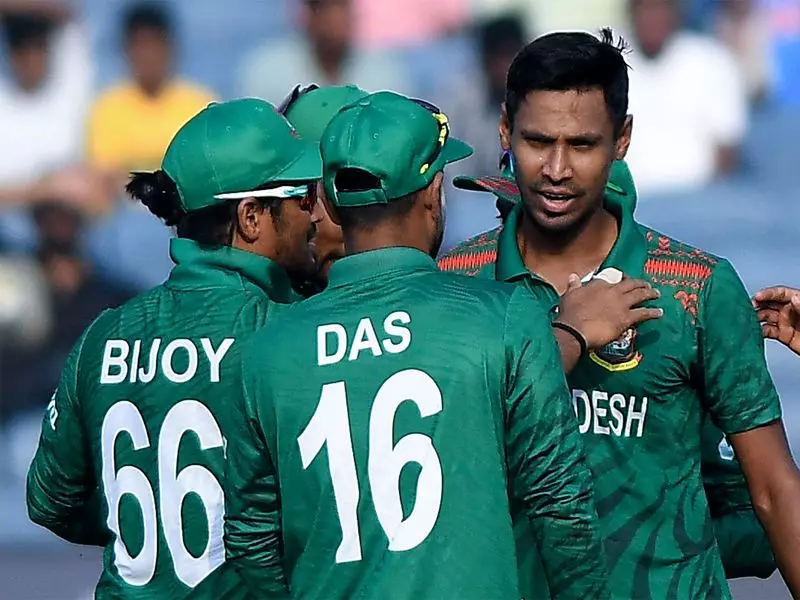
The Bangladesh Cricket Board (BCB) has taken a significant step by formally requesting the International Cricket Council (ICC) to relocate its scheduled matches for the 2026 T20 World Cup away from India. This unprecedented move stems from deep-seated concerns over the safety and security of the Bangladeshi team and its passionate supporters.
The Core of the Security Concerns
In an official letter addressed to the global governing body, the BCB has articulated its apprehensions about playing in India during the marquee tournament. The board's primary worry revolves around the potential for hostile crowd behavior and a lack of adequate security provisions for its players and traveling fans. This request highlights a rare instance of a national board preemptively seeking a venue change years before an event, underscoring the seriousness of their perceived threat.
The BCB's decision is reportedly influenced by past incidents where Bangladeshi players and supporters faced aggression in Indian stadiums. The board believes that the charged atmosphere in certain venues could compromise the well-being of their contingent and dampen the spirit of the competition. The 2026 T20 World Cup is co-hosted by India and Sri Lanka, with India set to stage a majority of the matches.

Potential Ramifications and the Road Ahead
This formal appeal places the ICC in a delicate diplomatic and logistical position. Relocating matches for one specific team within a co-hosted event presents a complex challenge. The global body must now weigh Bangladesh's security claims against the contractual obligations with the host nations and the overall integrity of the tournament's schedule.
Possible solutions could involve scheduling all of Bangladesh's group-stage matches in Sri Lanka or at neutral venues outside the Indian subcontinent. However, any such change would require intricate reworking of the fixture list and could set a precedent for other boards with similar concerns. The ICC has yet to issue a public response to the BCB's request, and the matter is likely to be discussed in upcoming committee meetings.
A Reflection on Cricket and Geopolitics
This development transcends mere tournament logistics, touching upon the intersection of sports, politics, and regional relations. The BCB's action brings to the fore the ongoing responsibility of host nations to guarantee a safe and welcoming environment for all competing teams. It also tests the ICC's protocols for handling security disputes between member nations.
The coming months will be crucial as cricket's administrators navigate this sensitive issue. The outcome will not only affect the planning for the 2026 World Cup but could also influence how security assurances are negotiated for future multi-nation events hosted in cricket-crazy but politically nuanced regions.