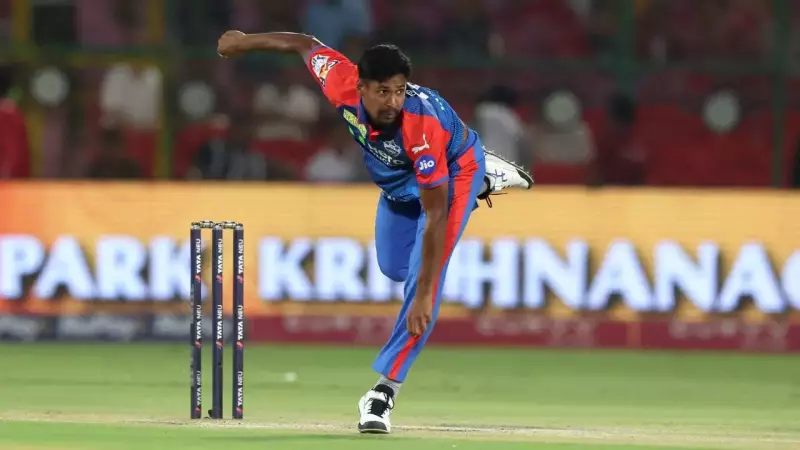
In a dramatic escalation of sports diplomacy tensions, the Bangladesh Cricket Board (BCB) announced on Sunday that its national team will not travel to India for the ICC Men’s T20 World Cup 2026. This unprecedented decision comes as a direct response to the Board of Control for Cricket in India (BCCI) instructing the Kolkata Knight Riders (KKR) to release Bangladeshi pacer Mustafizur Rahman from their IPL squad.
The Spark: Mustafizur Rahman's IPL Exit
The controversy ignited on Saturday when BCCI secretary Devajit Saikia confirmed to ANI that the board had directed KKR to release Mustafizur Rahman. The BCCI cited "recent developments which are going on all across" as the reason for this move. Saikia stated that the franchise would be allowed a replacement player as per IPL regulations.
KKR, which had acquired the left-arm seamer for Rs 9.2 crore in last year's auction, confirmed the release in an official statement. Mustafizur, a seasoned IPL campaigner with 65 wickets in 60 matches for teams like Chennai Super Kings and Mumbai Indians, was the sole Bangladeshi cricketer in the 2026 IPL.

The BCB reacted swiftly and decisively. In an emergency meeting convened at 9:30 pm on Saturday, the board revoked the No Objection Certificate (NOC) granted to Mustafizur, effectively barring him from participating in the IPL even if the decision were reversed. BCB president Aminul Islam Bulbul stated the meeting was called to get a "clear overview" of the situation amidst their busy Bangladesh Premier League schedule.
BCB's Hardline Stance: World Cup Boycott and Broadcast Ban
The BCB's response escalated far beyond the individual player. In a press release, the board expressed "deep concern over the overall circumstances" and announced its team would not participate in the T20 World Cup in India under current conditions. The decision was framed as necessary "to safeguard the safety and well-being" of players and officials, following advice from the Bangladesh government.
The board has formally requested the International Cricket Council (ICC) to relocate all of Bangladesh's scheduled matches—three in Kolkata and one in Mumbai—to a venue outside India, with Sri Lanka suggested as an alternative. This creates a potential logistical nightmare for the ICC, with the tournament set to begin on February 7, just a month away.
Adding to the diplomatic friction, the Bangladesh government ordered an immediate suspension of all IPL broadcasts in the country. A government statement called the BCCI's decision on Mustafizur illogical and said it had "distressed, shocked and angered" the people of Bangladesh.
Geopolitical Undercurrents and Future Implications
Bangladesh's Youth and Sports Adviser, Asif Nazrul, publicly welcomed the BCB's decision, describing it on Facebook as a response to what he termed "extremist communal policies" in India. He emphasized that if one contracted Bangladeshi cricketer couldn't play in India, the entire team's safety could not be guaranteed.
This standoff occurs against a backdrop of strained bilateral relations since the 2024 mass uprising in Bangladesh that led to the removal of former Prime Minister Sheikh Hasina. Both nations have traded accusations regarding the treatment of religious minorities within each other's borders.
The situation now raises a critical question: Will India-Bangladesh cricket relations follow the India-Pakistan template? Currently, Pakistan plays all its matches in Sri Lanka during ICC events hosted by India, with bilateral series suspended. The Indian government's existing policy limits sporting engagement with Pakistan to multi-nation events. It remains to be seen if a similar long-term arrangement will emerge with Bangladesh.
All eyes are now on the ICC and BCCI for their response to BCB's formal request. The global cricket body faces a tight deadline and a complex political equation. The BCCI's vice-president, Rajeev Shukla, has so far refused to comment on the issue when approached. The coming days will determine whether cricket can be separated from deepening geopolitical strains in South Asia.