Geopolitics Once Again Tangles Subcontinent Cricket as Bangladesh Excluded from T20 World Cup
The world of cricket, often celebrated for its unifying spirit, has once again found itself ensnared in the intricate web of geopolitics. In a development that has sent shockwaves through the subcontinent, Bangladesh has been excluded from the upcoming T20 World Cup. This decision underscores the persistent political complexities that continue to influence and disrupt regional sports, raising questions about the future of cricket diplomacy in South Asia.
The Exclusion Decision and Its Immediate Impact
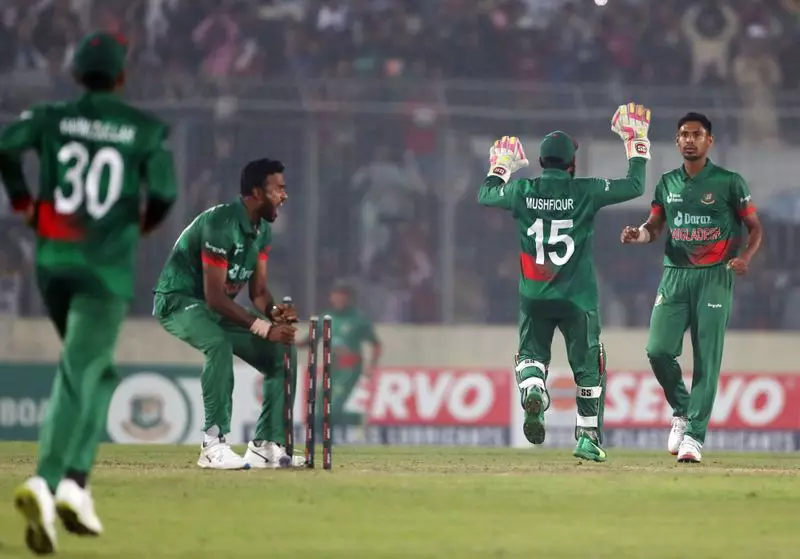
The exclusion of Bangladesh from the T20 World Cup roster marks a significant setback for the nation's cricketing aspirations. As a team that has shown considerable growth and competitiveness in recent years, this move not only deprives Bangladesh of a crucial international platform but also impacts the morale of players and fans alike. The decision is believed to stem from broader geopolitical tensions, reflecting how off-field issues can overshadow on-field talent and achievements.
This development has sparked widespread debate within the cricketing community, with many expressing concern over the politicization of sports. The exclusion highlights a recurring pattern where cricket, particularly in the subcontinent, becomes a pawn in larger political games, affecting teams' participation and the overall integrity of tournaments.

Historical Context of Geopolitics in Subcontinent Cricket
Geopolitical tensions have long cast a shadow over cricket in the subcontinent, with historical incidents serving as precedents for the current situation. From bilateral series cancellations to visa issues for players, political disputes have frequently interfered with the sport. This latest episode involving Bangladesh is a stark reminder of how fragile cricket relations can be in a region marked by complex diplomatic dynamics.
The subcontinent, home to cricket powerhouses like India, Pakistan, and Sri Lanka, has often seen its sporting events influenced by political standoffs. The exclusion of Bangladesh from the T20 World Cup adds to this legacy, emphasizing the need for greater efforts to insulate sports from geopolitical pressures.
Reactions from the Cricketing World
The cricketing fraternity has reacted with a mix of disappointment and frustration to Bangladesh's exclusion. Former players, analysts, and fans have taken to various platforms to voice their opinions, calling for a more apolitical approach to tournament selections. Many argue that such decisions undermine the spirit of fair play and inclusivity that cricket strives to uphold.
International cricket bodies, including the ICC, are facing scrutiny over their role in navigating these geopolitical challenges. There is growing pressure to establish clearer guidelines and mechanisms to prevent political factors from dictating team participations in major events like the T20 World Cup.
Implications for Bangladesh Cricket and Future Prospects
For Bangladesh, this exclusion represents more than just a missed tournament opportunity; it poses serious questions about the nation's standing in international cricket. The team's development and exposure to high-level competition are crucial for its growth, and being sidelined from a premier event like the T20 World Cup could have long-term repercussions.
Looking ahead, stakeholders in Bangladesh cricket are likely to intensify efforts to engage in diplomatic dialogues and advocate for their inclusion in future tournaments. This incident may also prompt other cricket nations in the subcontinent to reassess how geopolitical issues are managed within the sport, potentially leading to reforms in tournament governance.
Broader Lessons for Sports and Geopolitics
The exclusion of Bangladesh from the T20 World Cup serves as a poignant case study in the intersection of sports and geopolitics. It highlights the need for robust frameworks that prioritize athletic merit over political considerations, ensuring that cricket remains a true global sport accessible to all deserving teams.

As the subcontinent grapples with these challenges, there is hope that lessons from this episode will inspire more collaborative and transparent approaches in international cricket. By fostering dialogue and cooperation, the cricketing world can work towards minimizing geopolitical disruptions and preserving the essence of the game.