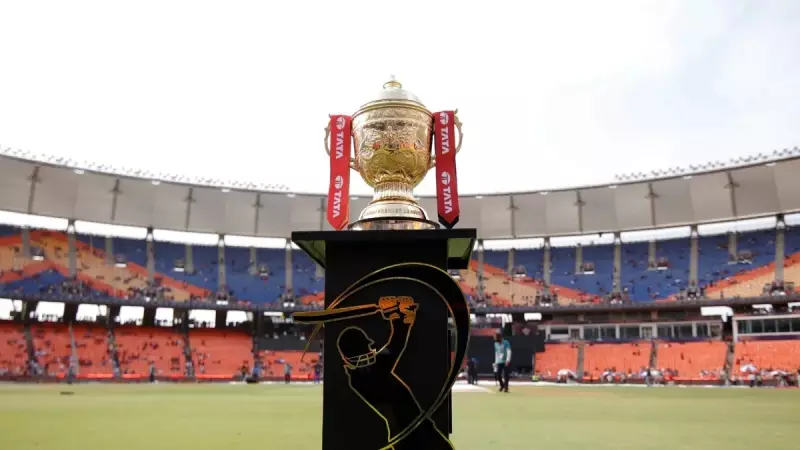
In a dramatic escalation of a simmering dispute, the Bangladesh government has issued an order for an indefinite ban on the television broadcast of the Indian Premier League (IPL) within its territory. This decisive move comes amidst a heated controversy surrounding the participation of the country's premier fast bowler, Mustafizur Rahman, in the lucrative T20 league.
The Core of the Mustafizur Rahman Controversy
The flashpoint for this unprecedented diplomatic and sporting rift was the Bangladesh Cricket Board's (BCB) refusal to grant a No Objection Certificate (NOC) to Mustafizur Rahman for the upcoming IPL 2026 season. The BCB took this stance, citing a packed international schedule for the national team that required the pacer's services. However, the situation took a contentious turn when reports emerged that Mustafizur Rahman's management team had allegedly engaged in direct negotiations with IPL franchises, bypassing the national board.
This perceived breach of protocol and challenge to the BCB's authority ignited the conflict. The board interpreted these actions as a sign of disrespect and a potential precedent that could undermine its control over player commitments. The government of Bangladesh, aligning with the BCB's position, has now intervened with the broadcast ban as a strong retaliatory measure, signaling its support for the cricket board's authority.

Government Order and Immediate Fallout
The order, issued by the relevant ministry, mandates all cable and satellite television providers in Bangladesh to immediately cease the transmission of IPL matches. This directive is indefinite, with no clear end date, making it one of the most severe actions taken in a cricket broadcasting dispute. The ban effectively blackouts the world's richest cricket league for millions of Bangladeshi fans who eagerly follow the tournament each year.
The implications are multifaceted. For Bangladeshi viewers, it means missing out on a major sporting spectacle. For broadcasters who had secured rights, it represents a significant financial loss. Most importantly, it casts a long shadow over the cricketing relations between India and Bangladesh, which have historically been close, albeit competitively intense. The ban is viewed as a tool to pressure the Board of Control for Cricket in India (BCCI) and IPL authorities to address the BCB's concerns regarding player NOC protocols.
Broader Implications for Cricket Relations
This standoff transcends a simple player contract issue. It touches upon the delicate balance of power between national cricket boards and global franchise leagues. The BCB's firm stance, backed by its government, highlights the growing concern among some cricket nations about the IPL's immense gravitational pull and its potential to disrupt international calendars and player allegiances.
The ball now lies in the court of the BCCI and the IPL governing council. How they respond to this ban could set a crucial precedent for future dealings with other member boards. A prolonged stalemate could lead to:
- Further deterioration in bilateral cricket ties between the two neighboring nations.
- Complications for other Bangladeshi players aspiring to join the IPL in future seasons.
- A potential review of the NOC framework by other cricket boards feeling similar pressures.
As of now, the ban remains in effect, with the BCB and the Bangladesh government showing no immediate signs of backing down. The controversy underscores the complex intersection of sports, commerce, and national interest in the modern cricket landscape. A resolution will likely require high-level discussions between the two cricket boards, possibly with intervention from the International Cricket Council (ICC) to mediate the escalating dispute.