The cricketing relationship between India and Bangladesh has hit a significant roadblock, triggered by a high-profile Indian Premier League (IPL) squad decision. The Bangladesh Cricket Board (BCB) has taken the unprecedented step of banning broadcasts of the IPL within its country. This drastic move comes as a direct response to Kolkata Knight Riders (KKR) excluding Bangladeshi pace bowler Mustafizur Rahman from their squad for the 2026 season, despite acquiring him for a hefty Rs 9.2 crore at the recent mini-auction.
Escalation Beyond the Broadcast Ban
The fallout from the IPL decision has extended far beyond television screens. In a major escalation, the BCB has also decided not to send its national team to India for the upcoming T20 World Cup. The board cited safety and security concerns for its contingent as the primary reason. In an official statement, the BCB clarified that the decision followed a thorough assessment of the prevailing situation. The board is currently awaiting a response from the International Cricket Council (ICC) regarding its apprehensions about playing matches at Indian venues.
This marks a historic low in broadcasting relations, as this is the first time since the IPL's inception in 2008 that its broadcasts have been banned in Bangladesh. The combined actions represent a severe strain on the diplomatic ties between the BCCI and the BCB, moving the dispute from a franchise-level issue to an international cricketing standoff.

A Contrast in the Middle: Umpire Sharfuddoula's Role
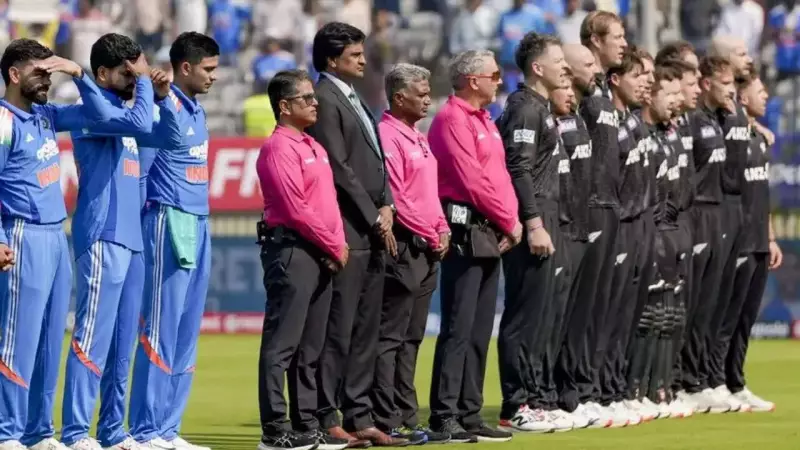
Amidst this tense backdrop, a notable Bangladeshi official continues to perform his duties on the international stage. Umpire Sharfuddoula was appointed as the TV umpire for the first ODI between India and New Zealand in Vadodara. His presence highlights the complex, multi-layered nature of international cricket administration, where individual roles often continue despite board-level disagreements.
Sharfuddoula, a Dhaka-born former left-arm spinner who represented Bangladesh in the 1994 ICC Trophy, has built a distinguished officiating career. He made his international umpiring debut in 2010 alongside Simon Taufel. A landmark achievement came in March 2024, when he became the first Bangladeshi umpire to be included in the prestigious ICC Elite Panel. Earlier in 2024, he also stood as a neutral umpire in a Test match between Australia and West Indies in Brisbane.
How Umpires Are Appointed for ODIs
The appointment of officials like Sharfuddoula follows strict ICC protocols. For One-Day Internationals, the global governing body appoints one umpire who must not be from the same country as the competing teams and must be from the Elite or International Panel. The home board appoints another umpire from its own panel. When the Decision Review System (DRS) is in use, the ICC appoints a third umpire, who also cannot be from the participating nations' countries, to manage DRS duties.
Broader Implications and Looking Ahead
The current impasse poses serious questions for the future of cricketing relations between the two neighboring nations. The BCB's dual actions—the broadcast ban and the World Cup withdrawal—signal a firm stance. The resolution now likely depends on diplomatic discussions between the boards and possibly the intervention of the ICC. The situation remains fluid, with the cricketing world watching closely to see if a compromise can be reached before the T20 World Cup, or if this dispute will lead to a longer-term rift in one of Asia's key cricketing relationships.