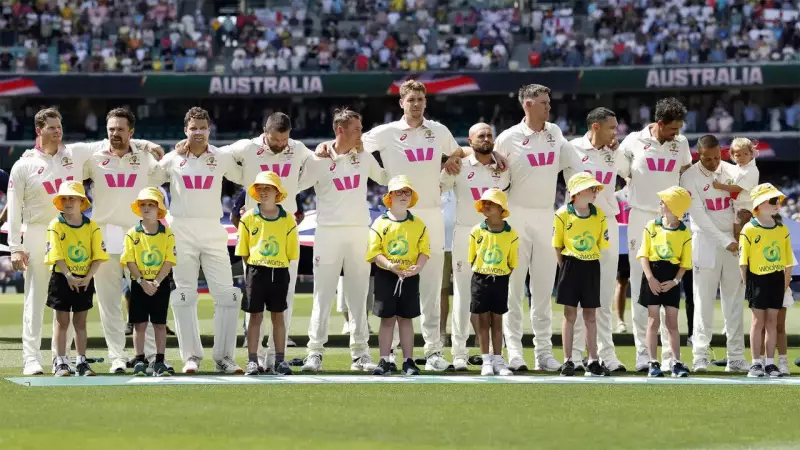
In a historic and controversial move, the Australian cricket team has broken a 138-year tradition by selecting a Test XI without a specialist spinner for the fifth Ashes Test at the iconic Sydney Cricket Ground (SCG). Captain Steve Smith admitted the decision was forced upon him by modern pitch conditions, marking a significant shift in strategy at a venue long considered a haven for slow bowling.
A Historic Break from Tradition at the SCG
The last time Australia entered a Sydney Test without a frontline slow bowler was way back in 1888. This remarkable streak was ended for the final match of the Ashes series against England, with all-rounder Beau Webster getting the nod and off-spinner Todd Murphy being overlooked. Smith did not hide his displeasure at the move, stating plainly, "Hate doing it."
He explained that the nature of contemporary pitches has pushed the team into a corner. "But if we keep producing wickets that we don't think are going to spin and seam is going to play a big part and cracks are going to play a big part, you kind of get pushed into a corner," Smith said. This decision is part of a growing pattern in Australian cricket, having earlier left out veteran Nathan Lyon in Brisbane and then omitting his replacement, Murphy, in both Melbourne and Sydney.

The Diminishing Role of Spin in the Series
The statistics from the ongoing Ashes series starkly highlight the trend. Across the first four Tests, spinners from both sides managed to claim only nine wickets, bowling a fraction of the total overs. England mirrored Australia's approach in Sydney, continuing without their frontline spinner, Shoaib Bashir, for a fifth consecutive Test. This means Bashir will return home without having delivered a single ball in a Test match on Australian soil.
Speaking after the seam-dominated fourth Test in Melbourne ended inside two days, Smith elaborated on the tactical reasoning. He suggested that on current pitches offering significant seam movement, spin has become the easiest style of bowling for batters to handle. "On some of these wickets that are offering a lot of seam, it's almost got to the point where (you ask): 'Why would you bowl it when you know you could leak 30 or 40 runs quickly if they decide to play positively and the game shifts immediately?'" Smith questioned.
What This Means for the Future of Test Cricket
Smith's comments and the selection call raise serious questions about pitch preparation and the future balance between bat and ball in Test cricket. While expressing his personal love for seeing spinners play a pivotal role, the Australian skipper pointed to the current reality. "I love seeing spinners play a part in the game, but right now, why would you?" he concluded.
This historic move at the SCG is more than a one-off selection headache; it is a potent symbol of how pitch characteristics are fundamentally altering team strategies and potentially marginalizing a classic facet of the five-day game. The breaking of a 138-year-old tradition signals a new, seam-dominated era in Australian home conditions.