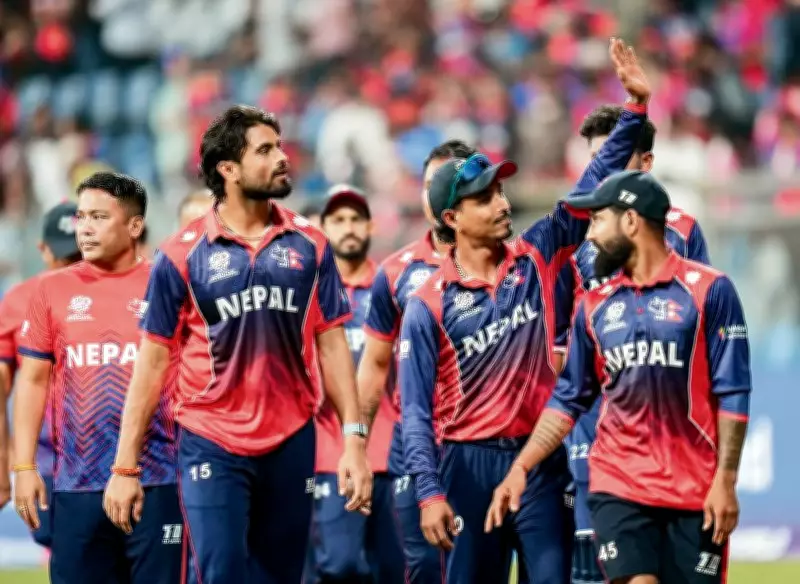
Associate Cricket Teams Urge for Enhanced International Exposure
In a significant development for global cricket, associate nations are voicing a strong demand for more international exposure to foster their growth and competitiveness. These teams, which operate outside the traditional powerhouses of the sport, argue that increased match opportunities are crucial for their development and for elevating the overall standard of cricket worldwide.
The Call for More Matches and Better Scheduling
Associate cricket teams are highlighting the need for a more structured and frequent schedule of international fixtures. Currently, many of these nations face limited opportunities to play against top-tier teams, which hampers their ability to gain experience and improve their skills. Advocates emphasize that regular exposure to high-level competition is essential for player development and team cohesion.
Key challenges include:

- Insufficient number of international matches per year.
- Lack of consistent scheduling with full-member nations.
- Financial constraints that limit travel and participation in tournaments.
These issues contribute to a cycle where associate teams struggle to compete effectively, leading to fewer opportunities and reduced visibility in the global cricket landscape.
Impact on Global Cricket Development
The push for more exposure is not just about individual teams; it has broader implications for the sport. By providing associate nations with better access to international cricket, the International Cricket Council (ICC) and other governing bodies can help diversify and strengthen the game. This could lead to more competitive tournaments, increased fan engagement, and the discovery of new talent from emerging regions.
Experts suggest that a more inclusive approach could benefit cricket by:
- Expanding the global fan base and market for the sport.
- Encouraging grassroots development in non-traditional cricket countries.
- Promoting fairness and equality in international cricket competitions.
Without such measures, associate teams risk falling further behind, which could stifle the growth of cricket in regions with potential for significant contribution.
Potential Solutions and Future Outlook
To address these concerns, stakeholders are proposing various solutions. These include increasing the number of bilateral series involving associate nations, integrating them more into ICC events, and providing financial support for travel and infrastructure. Additionally, better planning and coordination among cricket boards could ensure that associate teams receive regular and meaningful exposure.
The future of associate cricket hinges on the willingness of the global cricket community to invest in these nations. By prioritizing their development, the sport can achieve greater parity and sustainability, ultimately enriching the cricketing world for players and fans alike.