India's veteran off-spinner Ravichandran Ashwin has delivered a stark warning about the future of One-Day International cricket, suggesting the popular format could be fighting for survival after the 2027 World Cup. The cricketer-turned-analyst expressed his concerns on his popular Hindi YouTube channel, 'Ash Ki Baat', highlighting a shifting landscape in the sport.
The Star Power Dilemma and Audience Shift
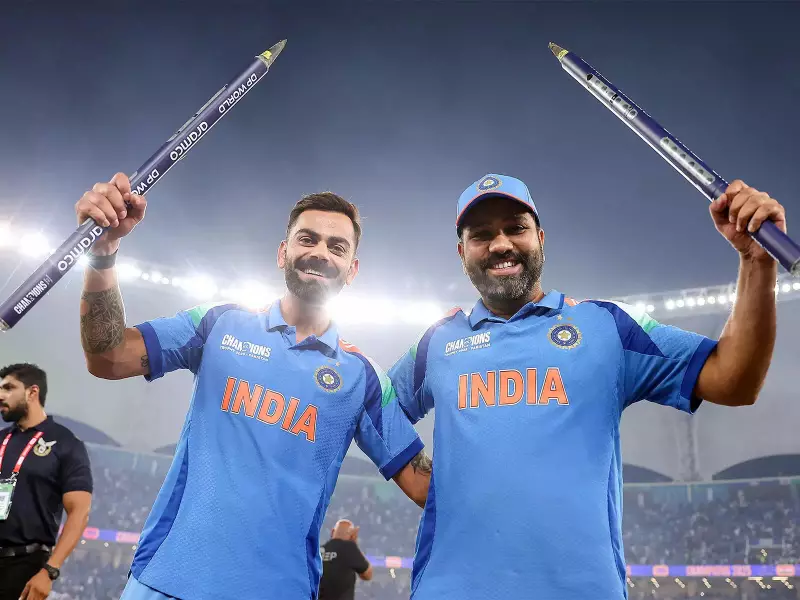
Ashwin pointed directly to the immense influence of modern legends Virat Kohli and Rohit Sharma, who between them have scored a staggering 86 ODI centuries. He noted that their recent participation in the domestic Vijay Hazare Trophy generated significant viewer interest, which otherwise sees limited following. "We have known that sport is always bigger than individuals but at times these players need to come back to make the game relevant," Ashwin observed.
He posed a critical question for the future: "Vijay Hazare Trophy... they did because Virat and Rohit were playing. Even then, what happens when they stop playing ODIs?" This reliance on star power, according to Ashwin, underscores a deeper vulnerability for the 50-over game.

T20 Squeeze and the Lost Art of ODI Batting
The rise of franchise-based T20 leagues worldwide, coupled with the enduring prestige of Test cricket, is creating a tight squeeze for ODI cricket. Ashwin explained that the very nature of batting in the 50-over format has been transformed by the aggressive, high-tempo approach bred in T20s.
He reminisced about an era where players like MS Dhoni could build an innings methodically. "One-day cricket, once upon a time, was an amazing format because it gave a player like MS Dhoni who would take singles for 10-15 overs before he went berserk at the end," Ashwin said. He argued that this style is now extinct, with modern ODIs often swinging between all-out attack and dramatic collapses, partly due to rules like two new balls and only five fielders inside the circle.
A Call to ICC: Too Many Events Diluting Value
Ashwin did not shy away from critiquing the International Cricket Council's (ICC) calendar management. He compared cricket unfavourably with football's global model, where the FIFA World Cup is a prized quadrennial event. "Too many bilaterals, too many formats, too many World Cups, so it’s a little bit of an overkill," he stated bluntly.
He urged the governing body to reconsider its approach, which he sees as overly focused on short-term revenue generation at the cost of the sport's long-term health. Ashwin even suggested that some less competitive match-ups in upcoming global events, like India playing the USA or Namibia in the T20 World Cup, could risk alienating fans.
A Radical Prescription for Survival
When discussing solutions, Ashwin proposed a drastic restructuring to preserve ODI cricket's relevance. His formula is simple: prioritize T20 leagues globally and hold the ODI World Cup strictly once every four years. This, he believes, would create a genuine sense of anticipation and event status for the 50-over showcase, much like the Olympic Games or the football World Cup.
Summing up his grave concerns, the man with 765 international wickets concluded with a grim prognosis: "I feel it is going towards slow death." His comments ignite a crucial debate about the future trajectory of a format that has defined cricket for decades.