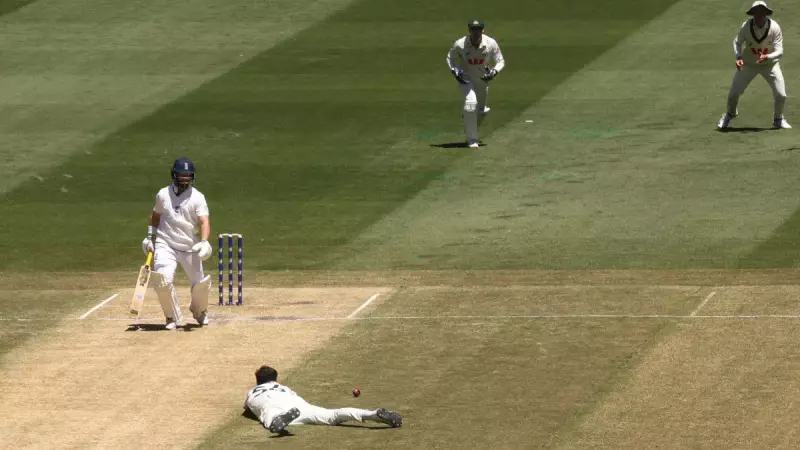
The hallowed turf of the Melbourne Cricket Ground (MCG) witnessed a cricketing anomaly that left everyone, especially its own curator, in a state of profound shock. The much-anticipated Boxing Day Ashes Test between Australia and England, scheduled for five days, was wrapped up in a mere two days, sending shockwaves through the cricketing world. The dramatic and rapid conclusion has ignited intense debate about the nature of the pitch and has now placed the Sydney Cricket Ground (SCG) pitch under an unforgiving microscope.
A Pitch That Defied Expectations
Matt Page, the head curator at the MCG, expressed his utter astonishment at how quickly the match concluded. He had prepared a pitch that he believed would offer a fair contest between bat and ball, potentially lasting four or five days. Instead, the surface exhibited excessive seam movement and unpredictable bounce from the very first session, making batting a perilous endeavour. A total of 34 wickets fell across just 144.2 overs, with no team managing to cross 150 runs in their innings. England, bowled out for 124 and 116, lost the match by a significant margin, allowing Australia to retain the coveted Ashes urn.
The rapid disintegration of the match has raised serious questions about pitch preparation for marquee events. While curators aim to inject life into pitches to avoid dull draws, the MCG surface veered too far towards being excessively bowler-friendly, undermining the spectacle of a flagship Test match. The International Cricket Council (ICC) is now likely to review the pitch rating, with a 'poor' or even 'unfit' classification a distinct possibility, which could have repercussions for the iconic venue.

Fallout and the Sydney Spotlight
The fallout from this two-day finish is multi-faceted. For the players, it meant a physically and mentally gruelling contest condensed into an extremely short period. For the fans, especially the thousands who had purchased tickets for days three, four, and five, it represents a significant financial loss and disappointment. Cricket Australia now faces the challenge of addressing ticket refunds and managing public relations fallout for one of its premier events.
All eyes have now decisively shifted north to Sydney, where the fourth and final Test is set to begin on January 3. The pressure on the SCG ground staff, led by curator Adam Lewis, is immense. They are now tasked with preparing a surface that must strike a perfect balance—offering enough assistance to bowlers to produce a result, but also providing batsmen with the opportunity to build an innings. The scrutiny will be unprecedented, with every crack and patch of grass analysed in the lead-up to the match. Both teams will be hoping for a pitch that allows for a proper, competitive Test match to conclude the series.
A Broader Conversation on Pitch Standards
This incident at the MCG has reignited the global conversation about standardising pitch quality in Test cricket. While home advantage is a cherished part of the sport, there is a growing consensus that pitches should not become the dominant winner in a contest. The balance is delicate: a green top or a raging turner can be exciting, but when a match ends in two days, it suggests the surface was not up to the standard required for a five-day battle of skill and endurance.
The events in Melbourne serve as a stark reminder to curators worldwide. Their role is not just horticultural but profoundly influential on the sport's narrative. As the cricketing community processes this extraordinary two-day Test, the focus is firmly on Sydney to deliver a pitch that restores faith in the traditional, ebbs-and-flows format of Test match cricket and provides a fitting finale to the Ashes rivalry.